
Travel Guide · Food
Wagyu vs Kobe Beef
What the difference is, how to know it is real, and how to eat it in Japan.
A few days before their trip this June, a mother looking over the dinner plan we had made for her family sent us a quick question:
“It appears we have two Kobe style beef dinner reservations. Can we make one of those Wagyu? Huge Wagyu fans here.”
It is one of the most common questions about food in Japan, and a very reasonable one, because the words are used loosely everywhere else. The short answer is that Kobe beef is not an alternative to wagyu. It is wagyu: one particular, strictly defined kind of it. This guide explains what wagyu means in Japan, what makes beef Kobe beef, how to know you are eating the real thing, the best ways to eat it, and how three families we planned for this year enjoyed it.
At a glance
Wagyu is beef from Japan's native cattle breeds. Kobe beef is one regional brand of wagyu, from Tajima cattle in Hyogo Prefecture, graded to a strict standard. All Kobe beef is wagyu; most wagyu is not Kobe. Real Kobe beef carries a chrysanthemum stamp, and designated restaurants show a bronze bull.
The short answer
Is Kobe beef wagyu?
At a glance
Yes. Wagyu means beef from Japan's native breeds: Japanese Black, Japanese Brown, Japanese Shorthorn and Japanese Polled, and crosses between them. Kobe beef is one regional brand within it.
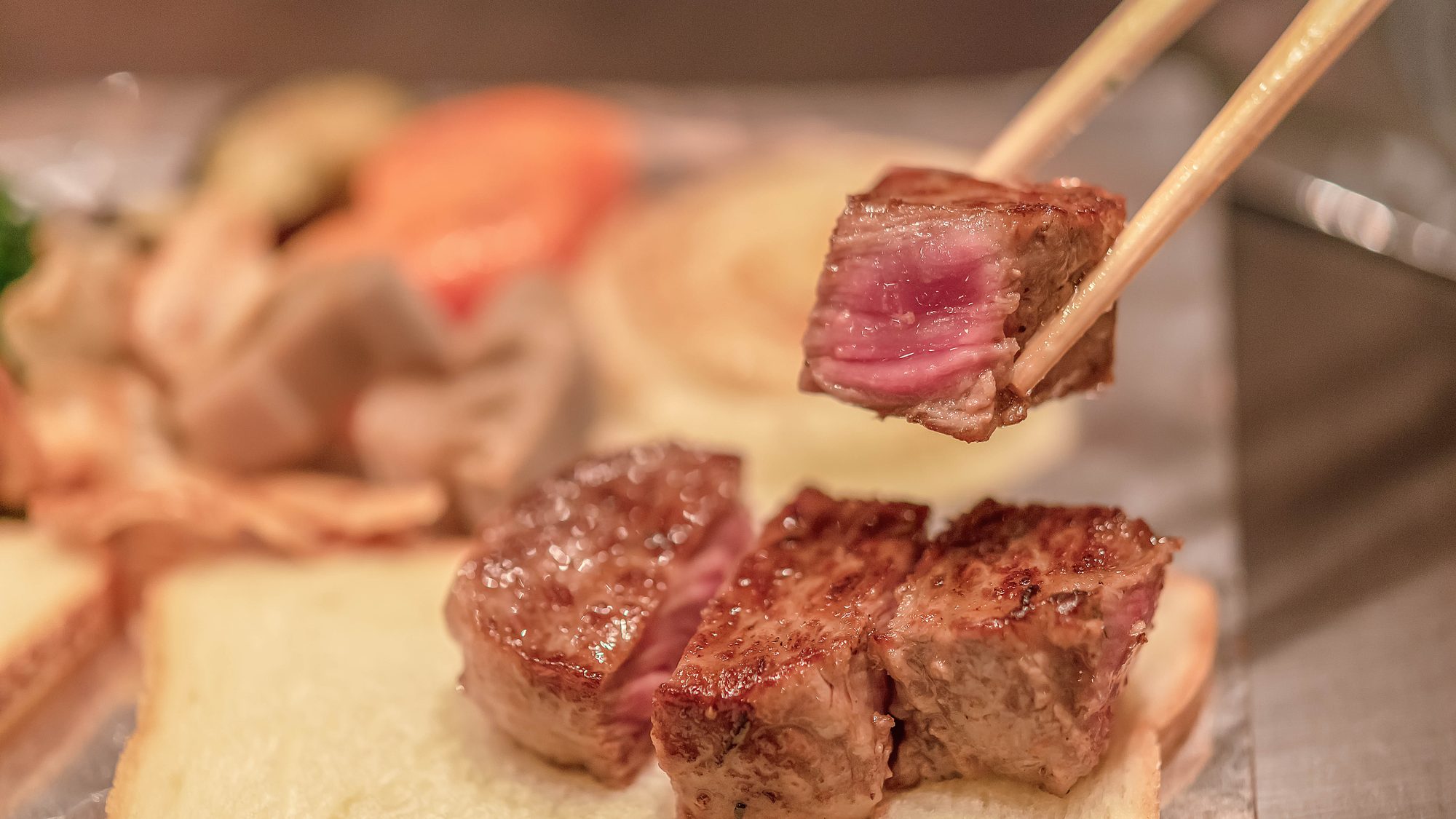
In Japan, wagyu is not a general word for good beef. It refers to specific native breeds, and above all to Japanese Black cattle, the breed behind most of the famous names. To be sold as wagyu in Japan, beef needs proof that the cattle were raised in Japan, along with a 10-digit individual identification number from the cattle traceability system.
Within wagyu there are many regional brands, each with its own rules about where the cattle come from and how the meat is graded. Kobe beef is the best known of them outside Japan. So the question is never really “wagyu or Kobe”, but “Kobe, or one of the many other wagyu”.
The standard
What makes beef Kobe beef, and how to know it is real
At a glance
Kobe beef comes from Tajima cattle from Hyogo Prefecture with a marbling score (BMS) of No. 6 or higher, a yield score of A or B, and a carcass weight of 499.9 kg or less. Certified beef carries a Japanese chrysanthemum stamp, and designated restaurants display a bronze statuette of a Tajima bull.
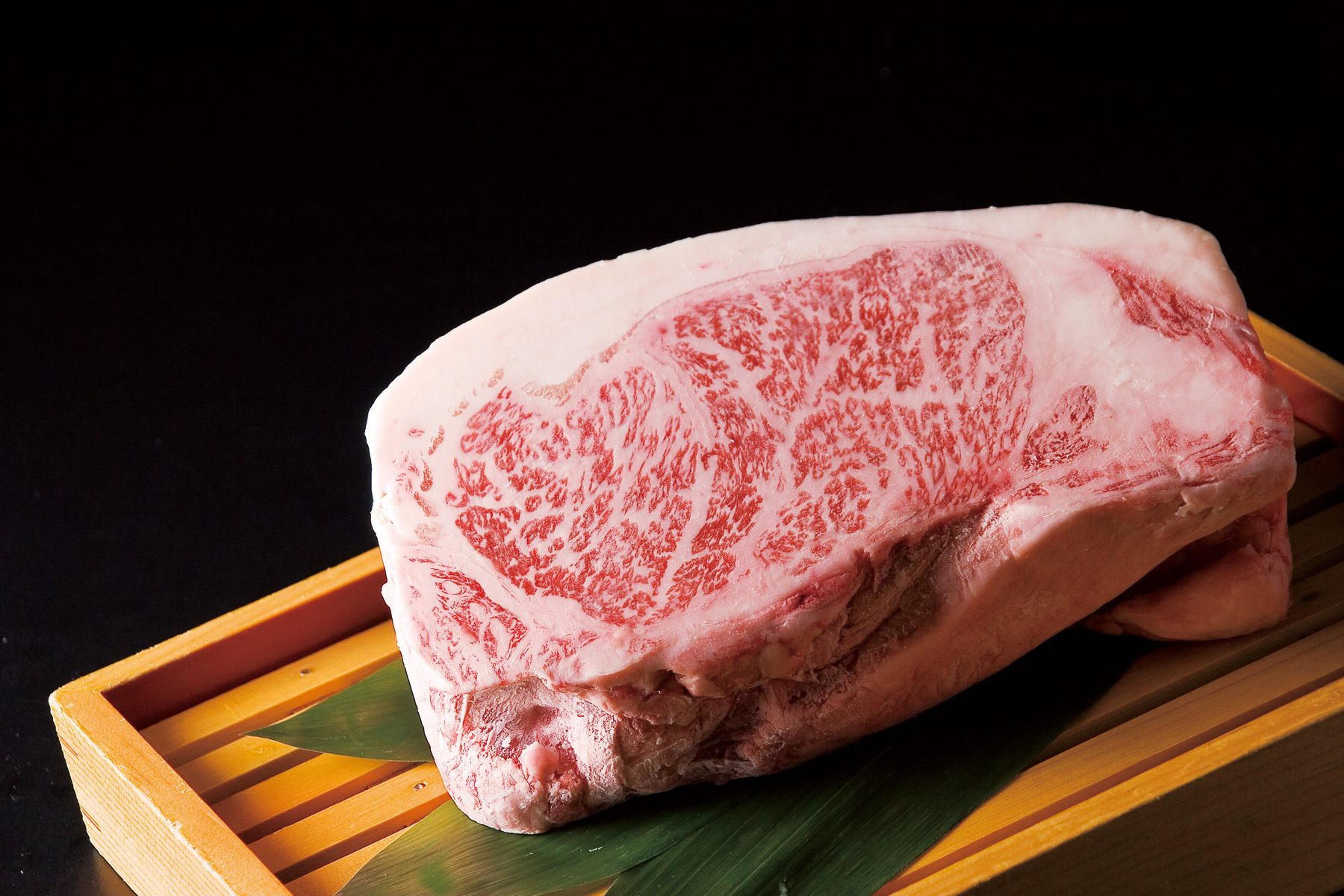
The standard is set by the Kobe Beef Marketing & Distribution Promotion Association. The cattle must be of the Tajima line, born and raised in Hyogo Prefecture, and after processing the beef must meet minimums for marbling and yield and stay under a set carcass weight. Beef that does not meet the grade may still be excellent wagyu, but it cannot be sold as Kobe beef.
Outside Japan the name is often used loosely, which is part of why the question comes up. In Japan, two signs help: the chrysanthemum stamp on certified beef, and the small bronze statue of a Tajima bull that designated shops and restaurants display. If a menu says Kobe beef and you are unsure, it is fair to ask to see the certificate or the sign.
The association publishes its criteria and the official signs on its own website, linked in the sources at the end of this guide.
At the table
Teppanyaki, yakiniku or sukiyaki: how to eat it
At a glance
Teppanyaki: a chef cooks it in front of you on a steel griddle, the classic Kobe beef meal. Yakiniku: you grill thin slices yourself. Sukiyaki and shabu-shabu: thin slices cooked at the table in a pot.
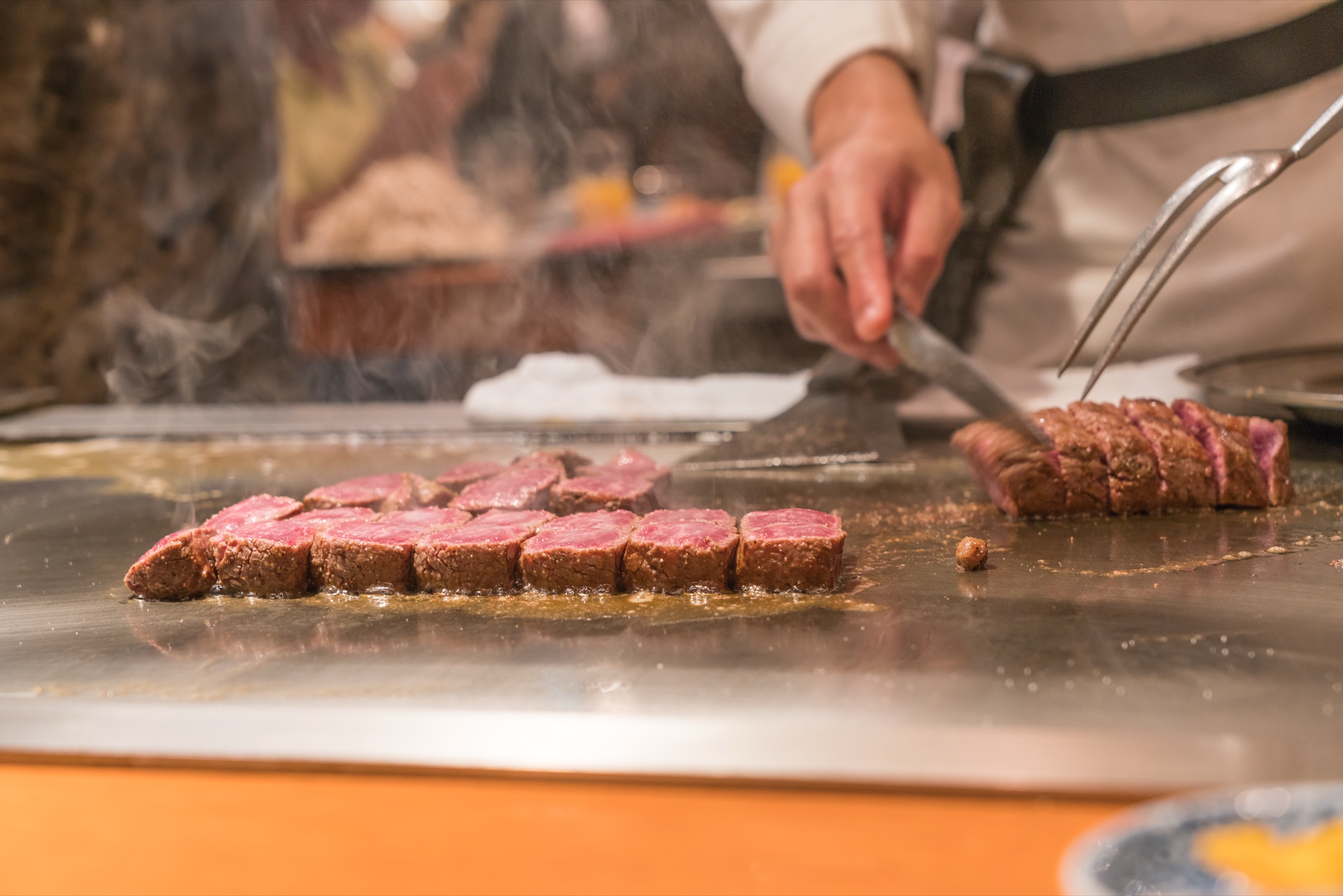
Teppanyaki is the classic way to try Kobe beef: a chef at a steel griddle, a few seats around it, and the beef cooked and cut in front of you, usually as part of a set course. It is a dinner and a performance at once, and children tend to love watching it.
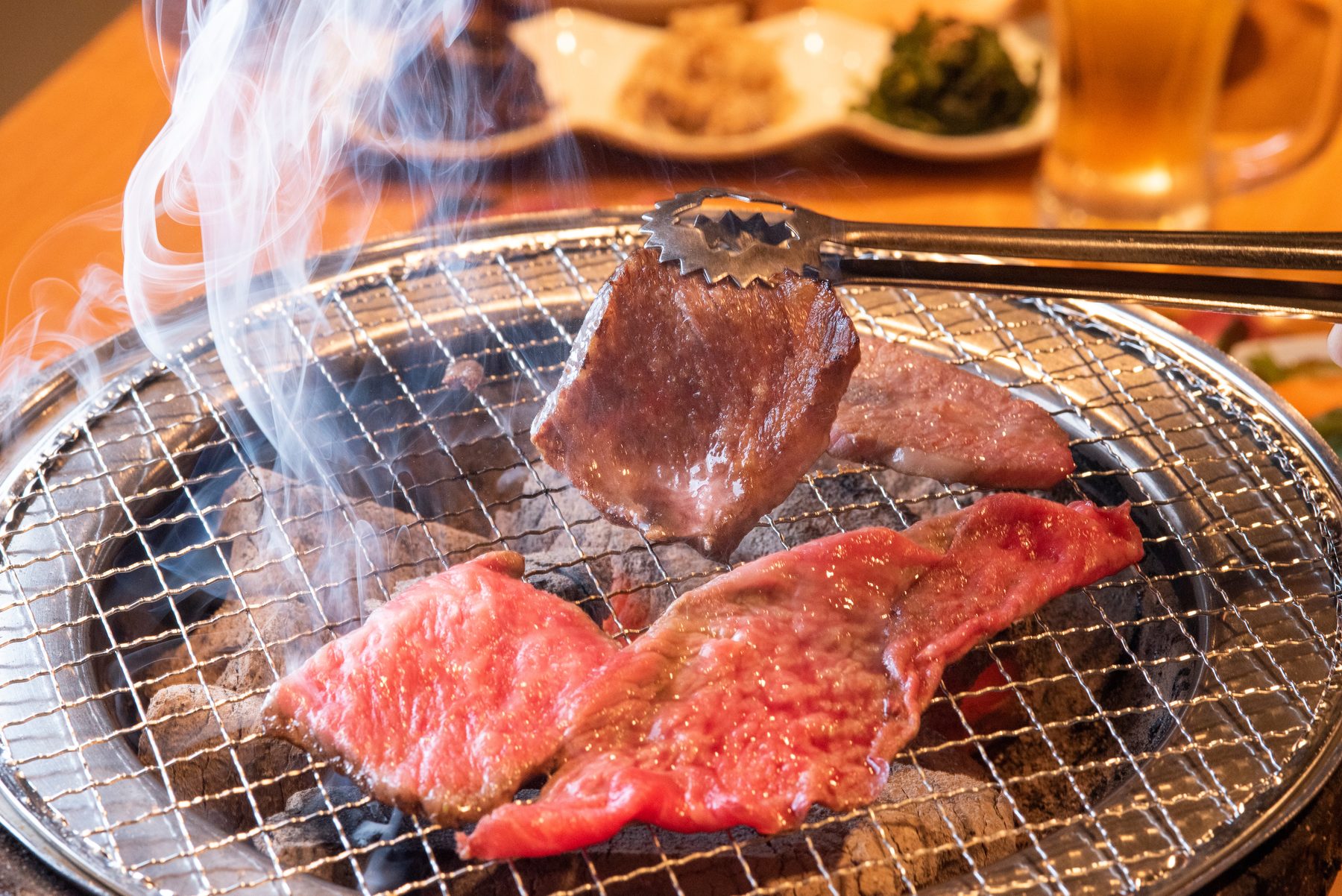
Yakiniku is the relaxed, sociable way: plates of thinly sliced wagyu brought to a grill set into the table, and everyone cooks their own. Sukiyaki and shabu-shabu show off fine slices of wagyu in a different way, simmered at the table, sweet and savory in the first, light and clean in the second. Many travelers try one of each.
Honest advice
Kobe beef or another wagyu?
At a glance
One Kobe beef dinner is a lovely part of a trip. For the rest, other top-grade wagyu is just as memorable, and often easier to find on your schedule.
The difference between Kobe beef and other high-grade wagyu is subtle on the plate. What makes Kobe special is partly the meat and partly the name: the strict standard, the history and the setting of a good teppanyaki counter. That is worth experiencing once.
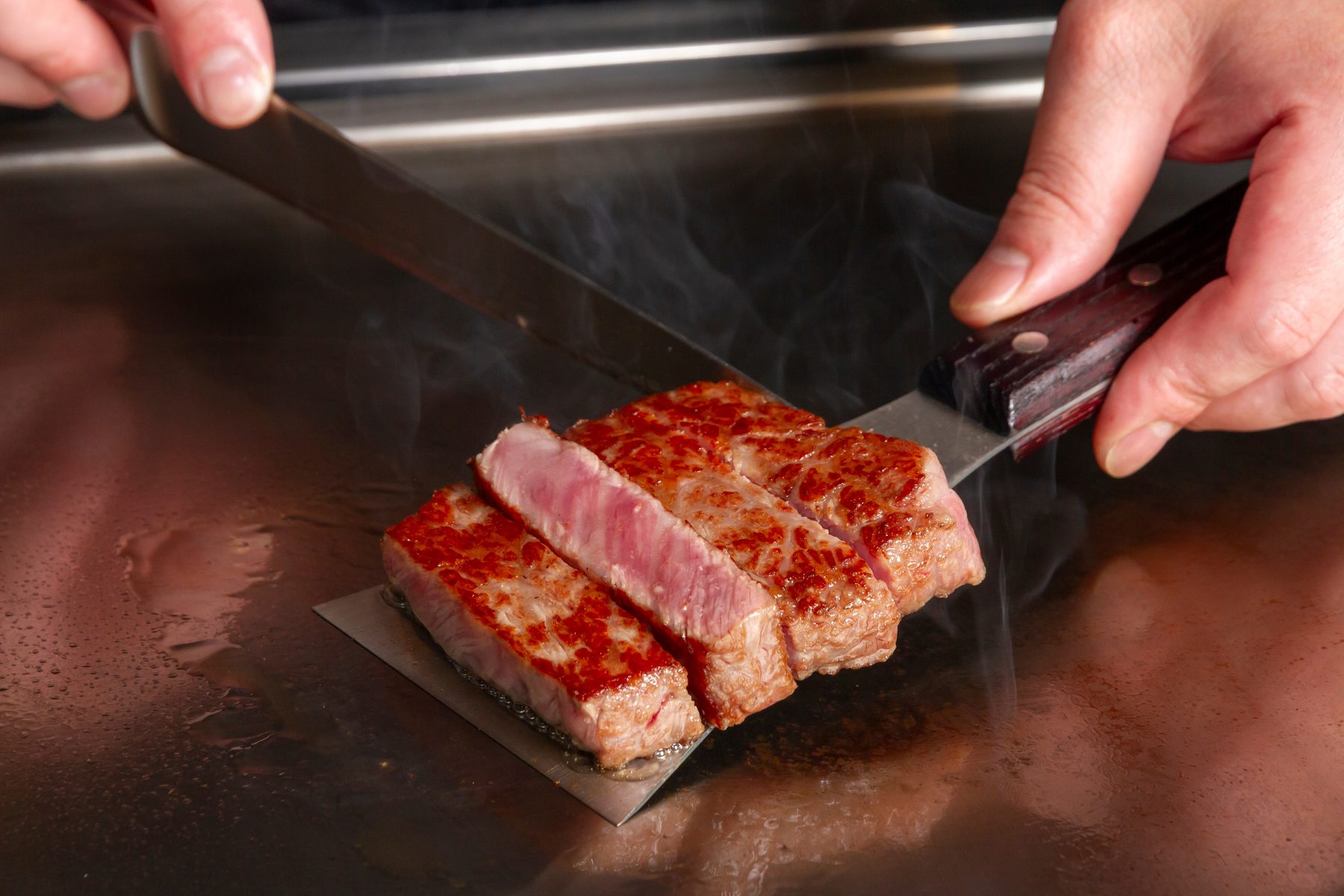
For the other nights, there is no need to chase the name. Japanese Black wagyu from other regions, prepared well, is outstanding, and a yakiniku dinner or a casual wagyu lunch will show you a different side of it. Where you eat it, and how, matters more than which brand is on the menu.
Real trips
How three families ate it
At a glance
Two Kobe beef teppanyaki dinners, in Kyoto and Osaka. Twelve courses of wagyu yakiniku grilled at the table. And a wagyu burger instead of sushi. Three very different ways to enjoy the same beef.

June: Kobe beef, twice. The family whose question opens this guide kept both dinners in the end. The first was Kobe beef teppanyaki in Kyoto's Gion district, and the next morning the mother sent us a message:
“I do want to say that the Kobe beef teppanyaki is my favorite meal so far!! So good”
Their last evening in Japan was Kobe beef teppanyaki again, in Osaka, chosen as the send-off dinner, with their bags collected during the meal for the drive to the airport. Read their ten days.
Late July: wagyu yakiniku. In Osaka, another family sat down to a twelve-course yakiniku dinner of Japanese Black wagyu that they grilled themselves at the table. Their verdict that night was three words: “Great great dinner.”
Late May: wagyu, casually. A family from Las Vegas swapped a planned sushi meal in Harajuku for a wagyu burger, and later had sushi and well-seared wagyu for breakfast at the Tsukiji outer market before their bullet train. Read their seven days.
The right counter for a Kobe beef dinner, at the right point in the trip, and the other meals around it. That is the part of eating in Japan we usually take care of. Start a conversation →
The difference
All of it, or just part of it
A memorable dinner in Japan is often about the details: which counter, which night, and what fits around it. Dietary needs and allergies passed on ahead of time make the evening easier too.
We can plan the whole trip, or only the days that get complicated, and leave the rest to you.
Plan the meals around your trip →Questions, answered
Is Kobe beef the same as wagyu?+
Kobe beef is a kind of wagyu. Wagyu means beef from Japan's native cattle breeds, and Kobe beef is one regional brand of it, with its own strict criteria. All Kobe beef is wagyu; most wagyu is not Kobe beef.
What does wagyu mean?+
In Japan, wagyu refers to four native breeds, Japanese Black, Japanese Brown, Japanese Shorthorn and Japanese Polled, and crosses between them. To be sold as wagyu in Japan, the cattle must be shown to have been raised in Japan and carry a 10-digit traceability number.
How can you tell if Kobe beef is real?+
Certified Kobe beef carries a Japanese chrysanthemum stamp, and shops and restaurants designated to buy and sell it display a small bronze statue of a Tajima bull. The Kobe Beef Marketing & Distribution Promotion Association, which sets the standard, publishes the criteria on its website.
Is Kobe beef worth it?+
It is a memorable meal, and teppanyaki is a lovely way to try it. But the difference between Kobe beef and other top-grade wagyu is subtle, and Japan has many excellent regional wagyu brands. For most travelers, one Kobe beef dinner and other wagyu meals the rest of the trip is a good balance.
Do you have to go to Kobe to eat Kobe beef?+
No. Restaurants in Tokyo, Kyoto and Osaka serve it. Kobe itself is an easy trip from Osaka or Kyoto if you want to combine the meal with the city.
What does A5 wagyu mean?+
A5 is the top grade in Japan's official beef grading. The letter is a yield grade from A to C (A is best), and the number is a meat quality grade from 1 to 5 (5 is best), set by the lowest of four scores: marbling, meat color and brightness, firmness and texture, and fat color, luster and quality. The grade measures the carcass, not the breed, so A5 alone does not make beef wagyu or Kobe beef.
Is all Kobe beef A5?+
No. Kobe beef requires a yield score of A or B and a meat quality score of 4 or above, so certified Kobe beef can be graded A4, A5, B4 or B5.
What is the difference between wagyu and kokusan-gyu on a menu in Japan?+
Kokusan-gyu means domestic beef: beef from cattle raised in Japan regardless of breed, including dairy breeds such as Holstein and Jersey. Wagyu is part of domestic beef, but not all domestic beef is wagyu. If a menu says kokusan-gyu rather than wagyu, it is Japanese-raised beef, but not necessarily from the native breeds.
Is American or Australian wagyu the same as wagyu from Japan?+
Not quite. Wagyu cattle were taken to Australia and the United States between the 1970s and 1990s, and beef raised there comes from different conditions. In Japan, beef produced abroad cannot be re-imported and sold as wagyu. Kobe beef, by definition, comes only from Hyogo Prefecture.
Are Kobe beef cattle really given beer and massages?+
Mostly no. The Kobe Beef Marketing & Distribution Promotion Association says these are not part of the standard for Kobe beef, that there have been almost no cases of cattle being raised on beer, and that massage does not soften the meat or add marbling.
Can I take wagyu or Kobe beef home from Japan?+
Only if your destination country allows it and the meat passes an export quarantine inspection by Japan's Animal Quarantine Service before you leave. Some countries have suspended meat imports from Japan, and the paperwork depends on where you are going. Check your home country's rules first, then contact the Animal Quarantine Service counter at your departure airport well before your flight.
Continue exploring



Japan changes its prices and its rules more often than most countries, and a good deal of what is written about it online is quietly out of date. The fares, fees, taxes and access rules on this page were checked against the official sources below in October 2026. Where something was likely to move, we have said so in the text. If you are traveling on dates far from that, check the official page — or ask us — rather than trusting any guide, including this one.
Checked against