
Travel Guide · When to Visit
The Best Time to Visit Japan
Season by season, with the weather, the crowds and the holidays to plan around.
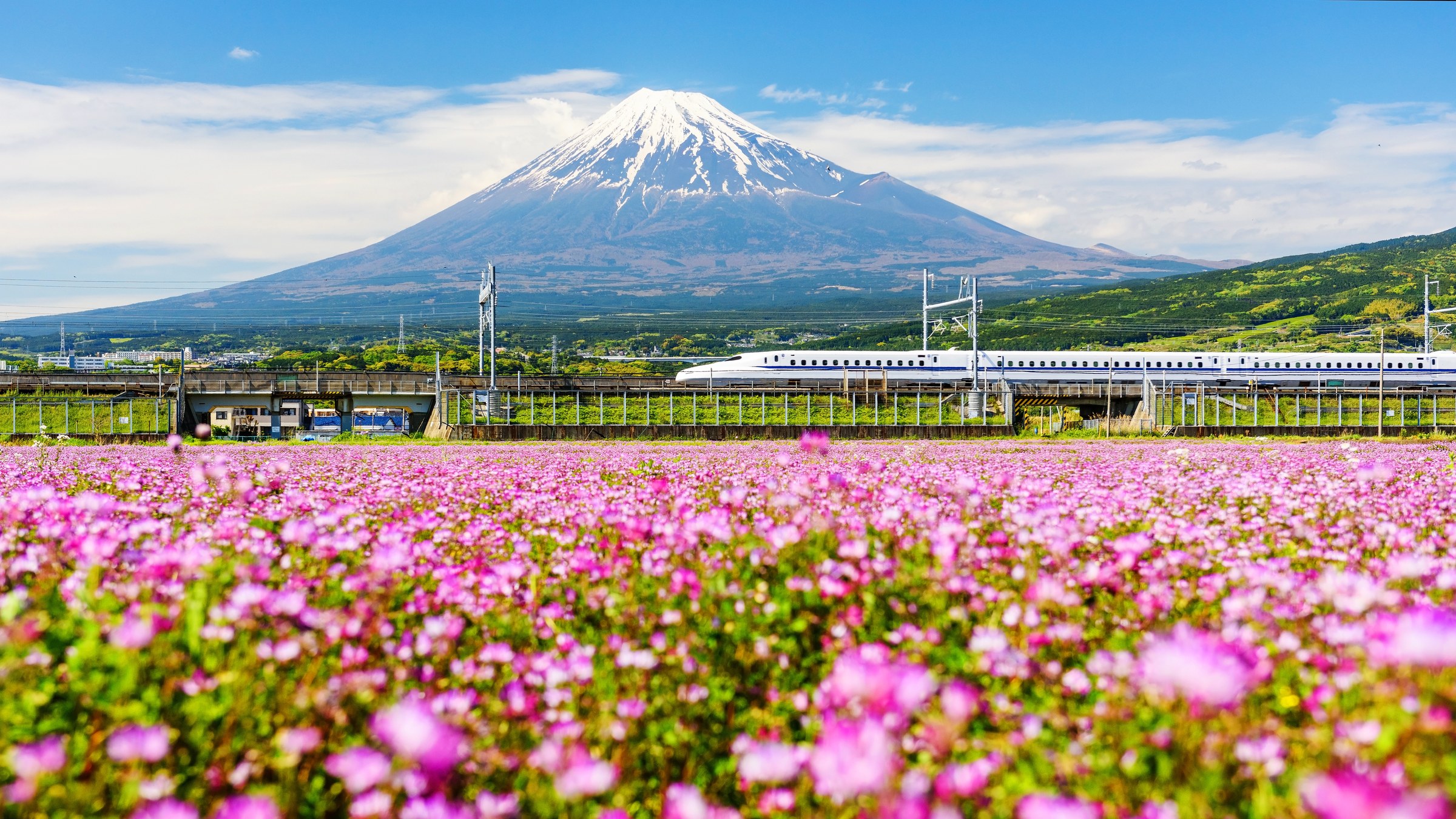
One of the families we planned for this year came in late May and spent a day by Lake Kawaguchiko hoping to see Mt. Fuji. It stayed wrapped in cloud from morning to evening. Their driver turned the day into a hunt for quiet viewpoints around the lake instead, with a photo stop at each one.
That is the honest shape of the question. Every season in Japan has something only it can give, and something it cannot promise. The cherry blossoms do not wait for your flight; the autumn leaves arrive with the crowds; summer is green and hot; winter is clear and quiet. This guide goes season by season, with the dates that are worth knowing, the holidays that fill trains and hotels, and what three families we planned for this year actually found.
At a glance
Late March to early April for cherry blossoms and November for autumn leaves are the classic choices, and the busiest. May and October are often the best balance. June brings rain and green, July and August heat, January and February clear, quiet days. Avoid, if you can, Golden Week, Obon and New Year.
March to May
Spring: cherry blossoms, and the best balance in May
At a glance
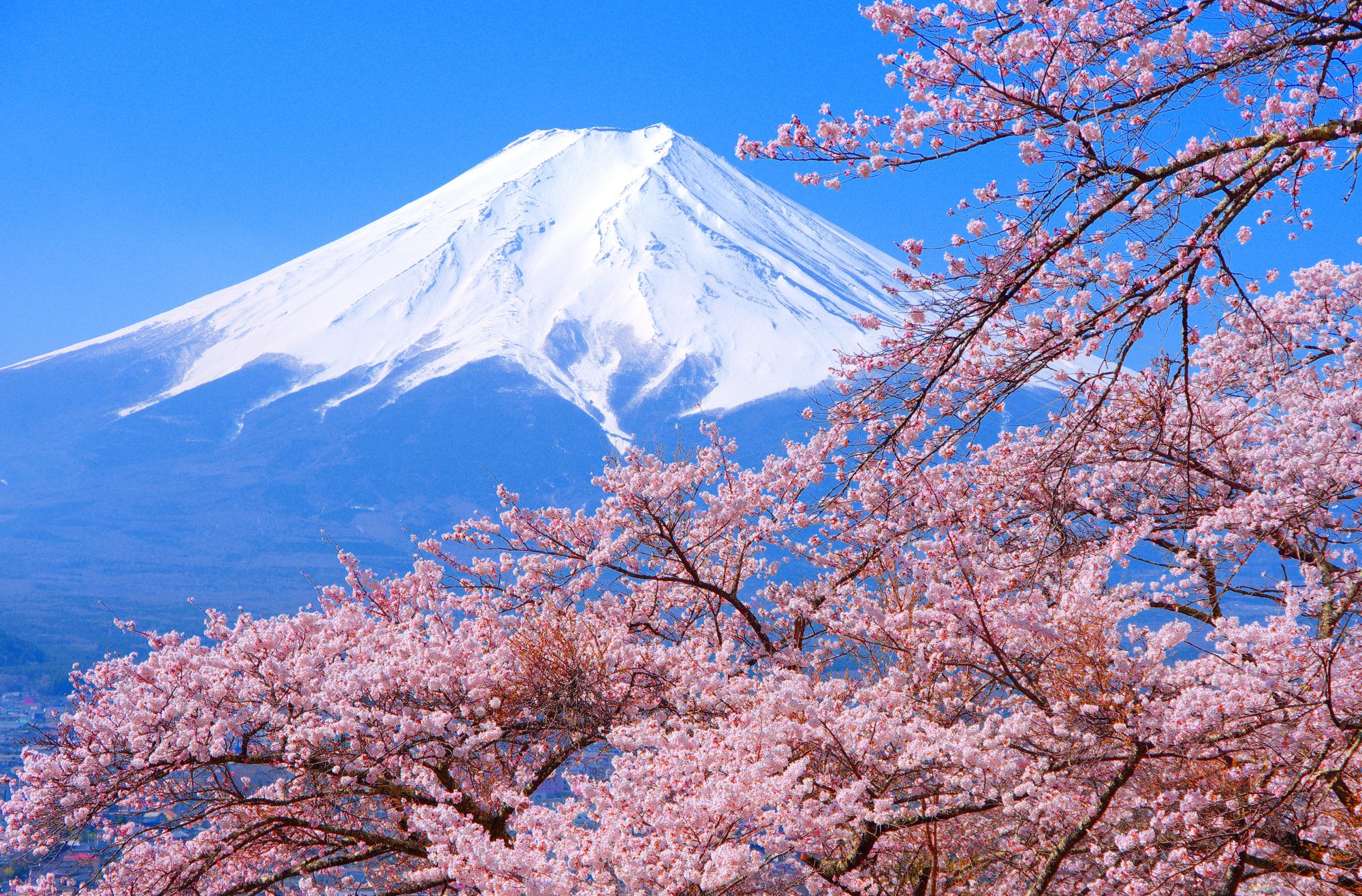
In an average year the cherry trees begin to flower around March 24 in Tokyo, March 26 in Kyoto and March 27 in Osaka, and reach full bloom around March 31 in Tokyo and April 4 in Kyoto and Osaka. The week around full bloom is beautiful and very busy.
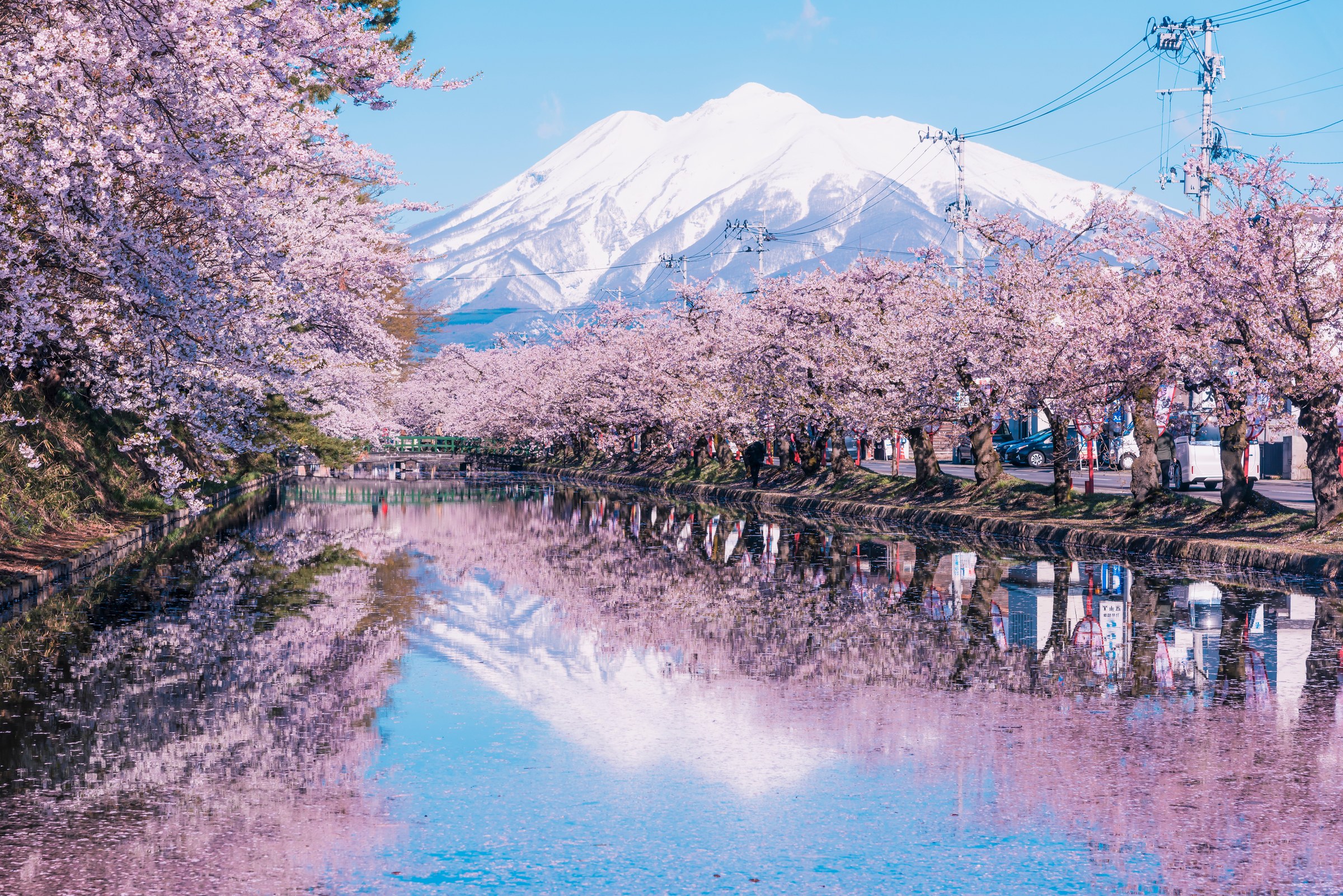
Cherry blossom season is the reason many people first think of Japan, and it deserves its reputation. It is also short. The blossoms are at their best for about a week, the dates move every year, and the most famous places are at their most crowded exactly then. Hotels in Kyoto fill early.
The practical answer is to plan the trip around a window rather than a date, and to build in places that are lovely whether or not the blossoms are out. The season also moves north through April, so a trip that misses Tokyo's peak can still find blossoms further north or in the mountains.
May, after the Golden Week holidays, is one of the most comfortable months of the year: fresh green everywhere, warm days and fewer crowds than in April. If the blossoms are not essential, it is often the better choice.
The dates above are averages from the Japan Meteorological Agency. Forecasts for each year are published in late winter; check them before you book, and keep a day or two of slack either side.
June to August
Summer: rain in June, heat in July and August
At a glance
The rainy season runs around June 7 to around July 19 in Tokyo in an average year. Late July and August are hot and humid, and typhoons approach most often in August and September, with about 3.3 approaches a month on average.
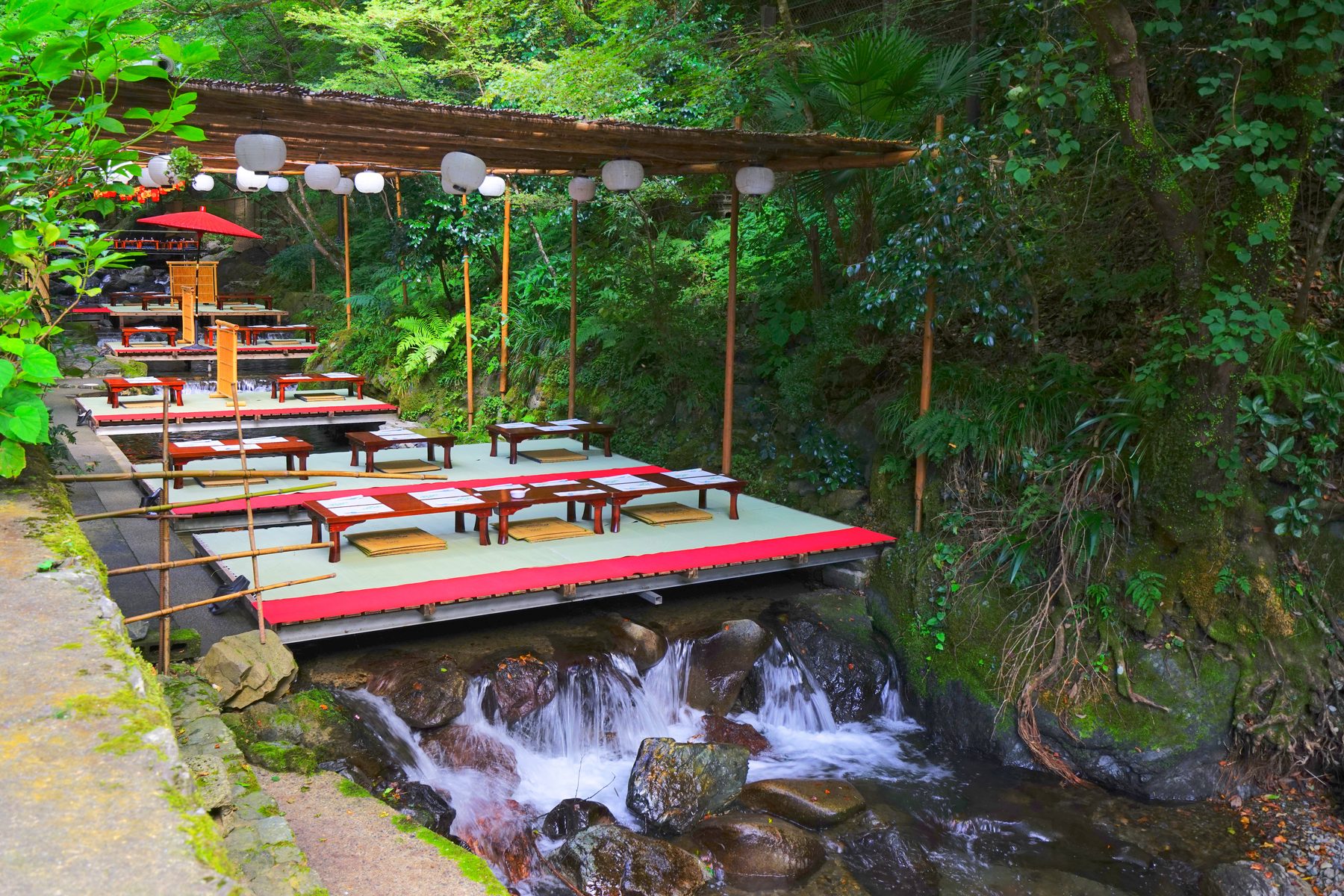
June has a worse reputation than it deserves. The rainy season is more often grey mornings and passing showers than rain all day, the hydrangeas are out along the temple paths, and the crowds are thinner than in spring. July and August are the months most families can travel, and they are hot and humid in the cities. They work well with early starts, cool places for the middle of the day and evenings out.
Summer also brings the festivals and fireworks, and the mountains, rivers and lakes are at their best. With children, the season is easiest with days planned around the heat.
September to November
Autumn: October's balance, November's leaves
At a glance
September can still be hot and is typhoon season. October is comfortable, though Tokyo can be wet. In Tokyo, Kyoto and Osaka the maples usually turn late November to early December.
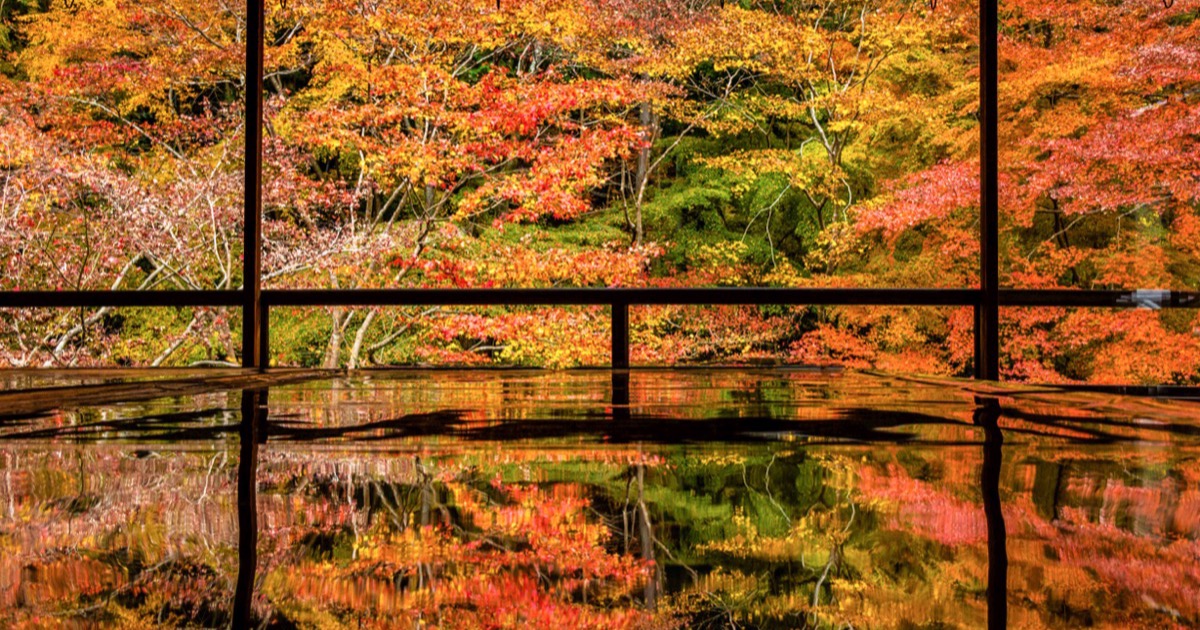
Octoberis, for many travelers, the best month in Japan: the summer heat has gone and the autumn crowds have not yet arrived. It is the season's quiet answer to May. Pack an umbrella for Tokyo, though: on average October is Tokyo's wettest month, while Kyoto is far drier.
November is the season of the autumn leaves, and in Kyoto it rivals cherry blossom season for both beauty and crowds. The color comes earlier in the mountains and the north, so a trip in early November can find it outside the cities first. For the most famous temples, go at opening time.
December to February
Winter: clear days, quiet temples and snow country
At a glance
Cold, often sunny, and much quieter in the cities. Snow in the mountains and the north. The New Year holidays are busy; January and February outside them are among the calmest weeks of the year.
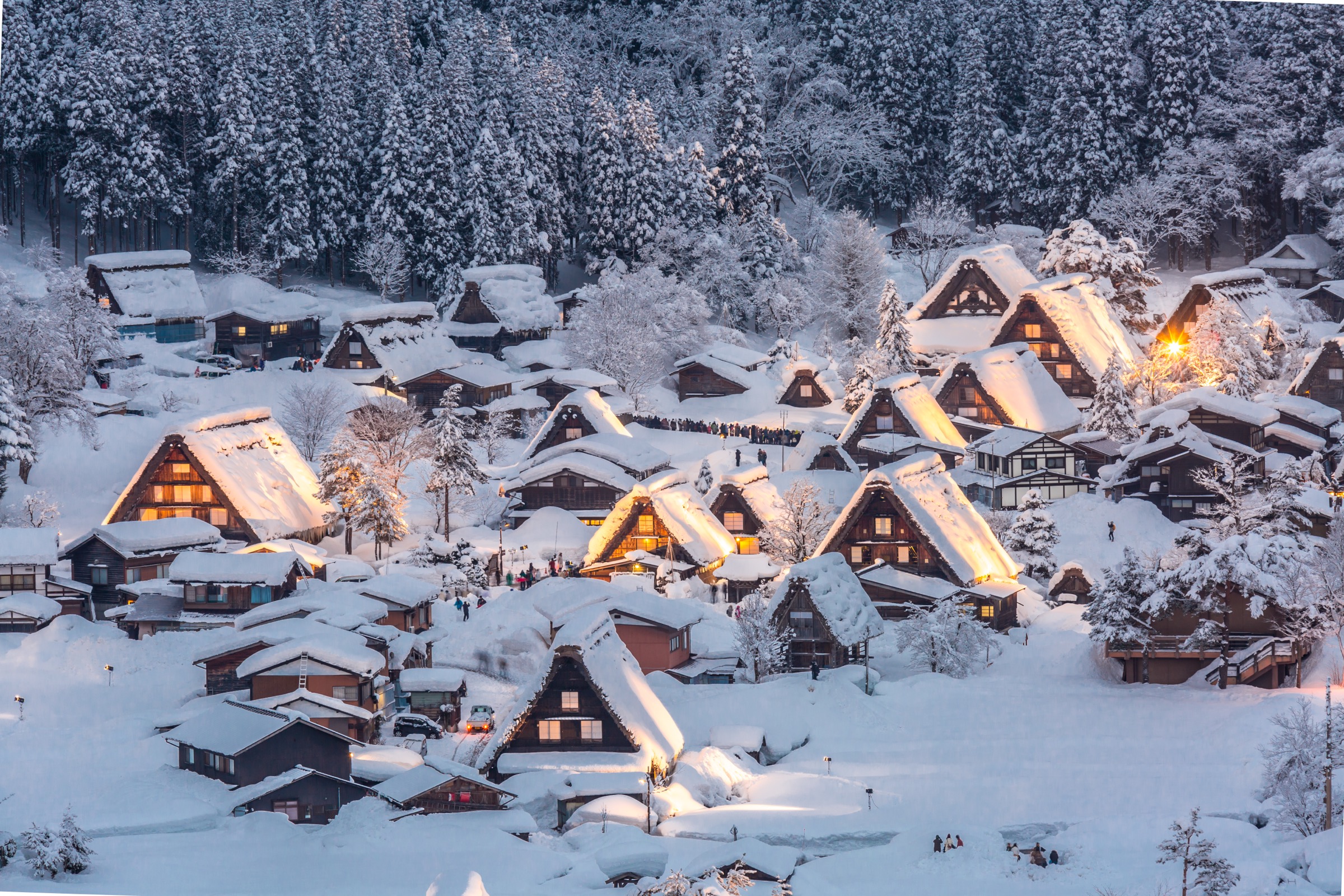
Winter is the most underrated season for a first trip. Tokyo and Kyoto are cold but frequently bright and dry, the temples and gardens are quiet, and the food is at its best: hot pots, crab, and steaming bowls at counters with no queue. The clear, dry winter air also gives some of the best chances of seeing Mt. Fuji.
For snow, the mountain villages and Hokkaido are at their most beautiful in January and February. The one stretch to plan around is the New Year holidays, when much of the country travels and some places close for a few days.
The calendar
The holidays that fill trains and hotels
At a glance
Golden Week (national holidays on April 29 and May 3, 4 and 5), Obon in mid-August, and New Year. These are when people across Japan travel, and when bullet trains and hotels are fullest.
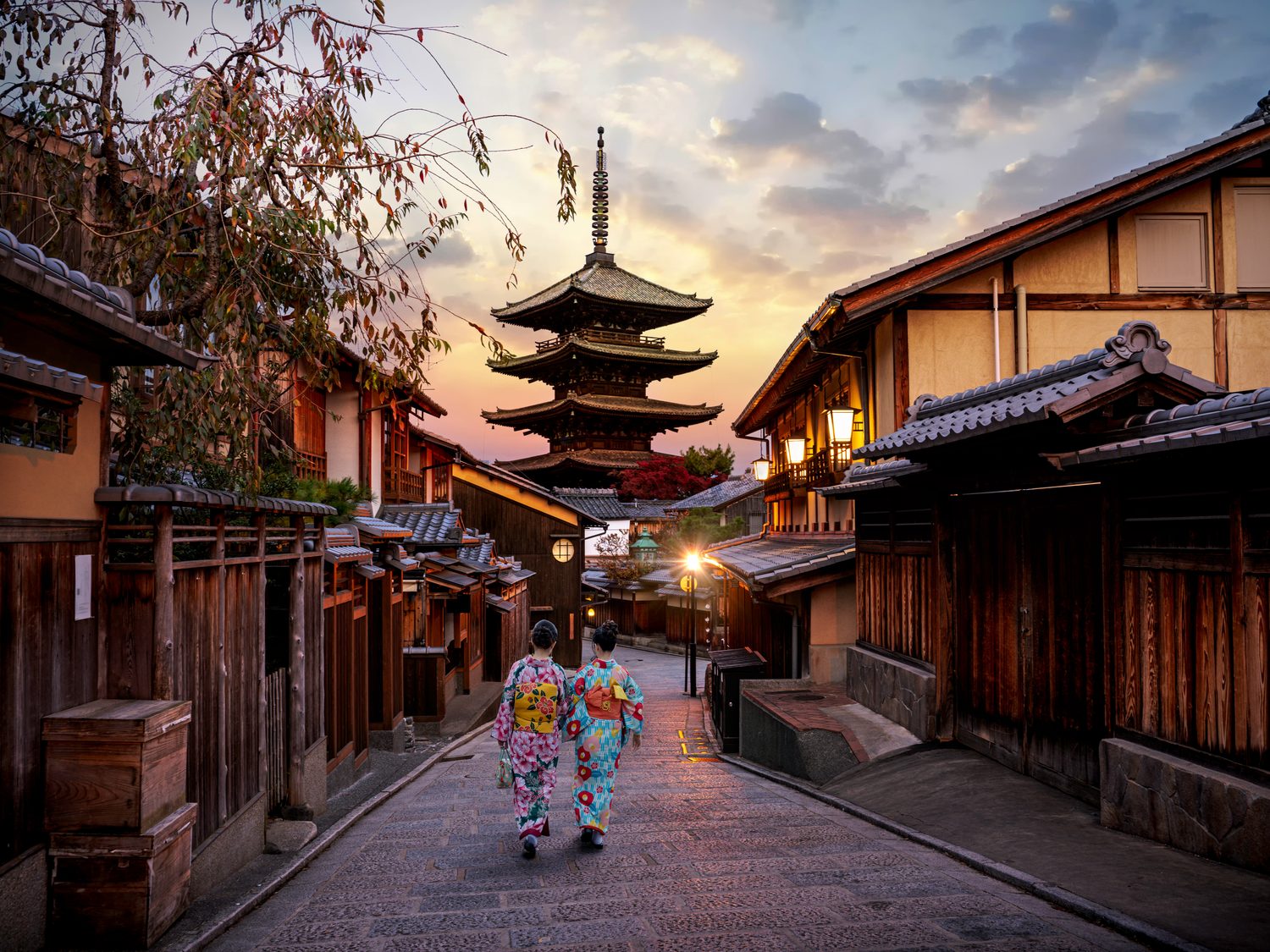
Three holiday periods change travel in Japan more than any season. Golden Week, a run of national holidays at the turn of April and May, is the busiest week of the spring. Obon, in mid-August, is when families travel home. And the New Year holidays fill trains for the first days of January.
From April 2026 to March 2027, every seat on the Nozomi bullet trains is reserved-only during Golden Week, Obon, the September holidays and New Year, and over four three-day weekends. If your dates fall in one of these periods, book trains and hotels early and expect the famous places to be crowded. If they do not have to, a week either side makes a real difference.
Real trips
What three families found in May, June and July
At a glance
Late May: comfortable weather, a cloudy Fuji and an early typhoon. June: rain, hydrangeas and thinner crowds. Late July: heat, planned around.

All three families we planned for this year traveled between May and July, so we can speak for those months from experience. For spring blossoms, autumn leaves and winter, the guidance above comes from the official records and from how the season usually runs, rather than from a trip this year.
Late May. A family from Las Vegas had the comfortable weather May is known for, and two surprises: Mt. Fuji stayed in cloud for their whole day at the lake, and a typhoon tracked toward western Japan near the end of the week, so their plan moved to Nara and their train tickets for the next day were refunded. Read their seven days.
June. A family of four caught the rainy season and found it better than its reputation: hydrangeas on the temple paths, softer light, thinner crowds, and one genuinely wet afternoon in Nara that gave them one of their favorite photographs. Read their ten days.
Late July. A family with two children came in the hottest stretch of the year. Early starts, a cool day in the mountains above Kyoto when the city forecast neared 100°F, and a plan that bent around the heat made it work.
Whatever the month, the trip works better when the plan fits the season: early starts in summer, a window rather than a date for the blossoms, and a day that can move for the weather. That is the part we usually take care of. Start a conversation →
The difference
All of it, or just part of it
Most people cannot choose their month freely. What they can choose is how the days are shaped around it: which places to see early, which to save for a cloudy day, and how much room to leave for the weather.
We can plan the whole trip, or only the days that get complicated, and leave the rest to you.
Tell us when you are traveling →Questions, answered
What is the best month to visit Japan?+
For weather and scenery, late March to early April (cherry blossoms) and November (autumn leaves) are the classic answers, and also the busiest. May and October are often the best balance of comfortable weather and manageable crowds. The right month for you depends on what you want to see and when you can travel.
When is cherry blossom season in Japan?+
In an average year the cherry trees in Tokyo, Kyoto and Osaka begin to flower in the last week of March and reach full bloom around the end of March and the first days of April, according to the Japan Meteorological Agency. The real dates move by a week or more from year to year, and the season runs later the further north you go.
When do the autumn leaves change in Japan?+
In Tokyo, Kyoto and Osaka the maples usually turn in late November to early December, based on the Japan Meteorological Agency's observations. Mountain areas and the north change earlier. Famous viewing spots are busiest in the second half of November.
When should you avoid traveling in Japan?+
The busiest times are Golden Week at the turn of April and May, the Obon holidays in mid-August, and the New Year holidays, when trains and hotels fill with domestic travelers. The rainy season in June and early July and the peak typhoon months of August and September are not reasons to stay away, but they are reasons to plan with some flexibility.
Is winter a good time to visit Japan?+
Yes, for the right trip. Tokyo and Kyoto are cold but often clear and sunny, the temples are quieter, and the food is at its best. Snow country, from the mountain villages to Hokkaido, is at its most beautiful. The New Year holidays are busy; January and February outside them are among the calmest weeks of the year.
When is the rainy season in Japan?+
In an average year the rainy season in Tokyo runs around June 7 to around July 19, and in Kyoto, Osaka and Nara around June 6 to around July 19, according to the Japan Meteorological Agency. The real dates move a lot from year to year: in 2025, Tokyo's rainy season ran from around May 22 to around June 28. For Hokkaido, the agency announces the rainy season for 12 regions of Japan and leaves Hokkaido out.
When is typhoon season in Japan?+
Typhoons come close to Japan most often in August and September, with about 3.3 approaches a month on average, based on the Japan Meteorological Agency's 30-year averages. Over a whole year they come close about 11.7 a year and make landfall on the main islands about three a year. Early ones happen too: one family we planned for this year met a typhoon in late May. If one is forecast, the Japan Meteorological Agency typhoon map shows its expected track in English.
How hot is Japan in summer?+
Hot and humid. In August the average daily high is about 31°C (88°F) in Tokyo and about 34°C (93°F) in Kyoto, according to the Japan Meteorological Agency's 1991–2020 averages, and individual days can be hotter. Japan issues a Heat Stroke Alert when the heat index (WBGT) is forecast to reach 33 or higher, from late April to late October. Summer days work best with early starts and cool places for the middle of the day.
How cold is Japan in winter?+
Cold but manageable in the cities. In January Tokyo averages a high of about 10°C (50°F) and a low of about 1°C (34°F), and Kyoto a high of about 9°C (48°F) and a low of about 2°C (35°F), according to the Japan Meteorological Agency. It is also Tokyo's sunniest month, with about 193 hours of sunshine on average, against about 124 in June. The mountains and Hokkaido are much colder, with snow.
Can I still see cherry blossoms in late April or May?+
Yes, if you go north. In an average year the cherry trees begin to flower around April 8 in Sendai, April 22 in Aomori, April 28 in Hakodate and May 1 in Sapporo, according to the Japan Meteorological Agency, compared with around March 24 in Tokyo, March 26 in Kyoto and March 27 in Osaka. The mountains also flower later than the cities below them. The dates move every year, so check that spring's forecast before you book.
When is Golden Week in Japan?+
Golden Week is the run of national holidays on April 29 and May 3, 4 and 5, according to Japan's Cabinet Office. In 2027 they fall on Thursday April 29 and Monday May 3 to Wednesday May 5, so with the weekend, May 1 to 5 is one unbroken break. It is the busiest travel week of the spring, when trains and hotels fill; the rest of May is calmer.
Continue exploring
Japan changes its prices and its rules more often than most countries, and a good deal of what is written about it online is quietly out of date. The fares, fees, taxes and access rules on this page were checked against the official sources below in October 2026. Where something was likely to move, we have said so in the text. If you are traveling on dates far from that, check the official page — or ask us — rather than trusting any guide, including this one.
Checked against
- Japan Meteorological Agency — cherry blossom flowering dates (Japanese)
- Japan Meteorological Agency — cherry blossom full-bloom dates (Japanese)
- Japan Meteorological Agency — maple leaf coloring observations (Japanese)
Show all sources ▾Show fewer ▴
- Japan Meteorological Agency — rainy season onset and end, Kanto-Koshin (Japanese)
- Japan Meteorological Agency — typhoon statistics, 30-year averages (Japanese)
- Cabinet Office, Government of Japan — national holidays (Japanese)
- JR Central — Nozomi all-reserved periods
- Japan Meteorological Agency — climate normals for Tokyo and Kyoto, 1991–2020 (Japanese)
- Japan Meteorological Agency — rainy season onset and end, Kinki (Japanese)
- Japan Meteorological Agency — rainy season FAQ (Japanese)
- Japan Meteorological Agency — typhoon information map (English)
- Japan Meteorological Agency — climate normals for Kyoto, 1991–2020 (Japanese)
- Ministry of the Environment — Heat Stroke Alert (with the Japan Meteorological Agency)