
Travel Guide · Family Travel
Japan with Kids and Food Allergies
What Japanese labels tell you, how to brief restaurants and ryokan, and the small things that trip families up.
On the first full day of a family's trip, we asked how serious the father's allergies were. His wife wrote back that shrimp, tuna, and peanuts had sent him to the emergency room every time, and that he had left his epinephrine pen at home. The restaurants we had booked ahead knew about his allergies before the family sat down. One set lunch, booked at short notice, showed the limits of a fixed course.
Japan is easier with a food allergy than many parents fear, and harder than the menus make it look. The difference is almost all in the preparation.
At a glance
Packaged food in Japan must list the main allergens, but restaurants do not have to. Book ahead, give every restaurant and ryokan the details in writing, ask about shared oil and broth, and carry your medicine. Set courses are the hardest to change on the day, so the briefing has to reach the kitchen before you arrive.
Eating out
Will restaurants in Japan handle a food allergy?
At a glance
Many will, if they know in advance. But restaurants in Japan do not have to label allergens, and the person taking your order is often not the cook. Brief the restaurant before you go, in writing, and confirm again when you arrive.
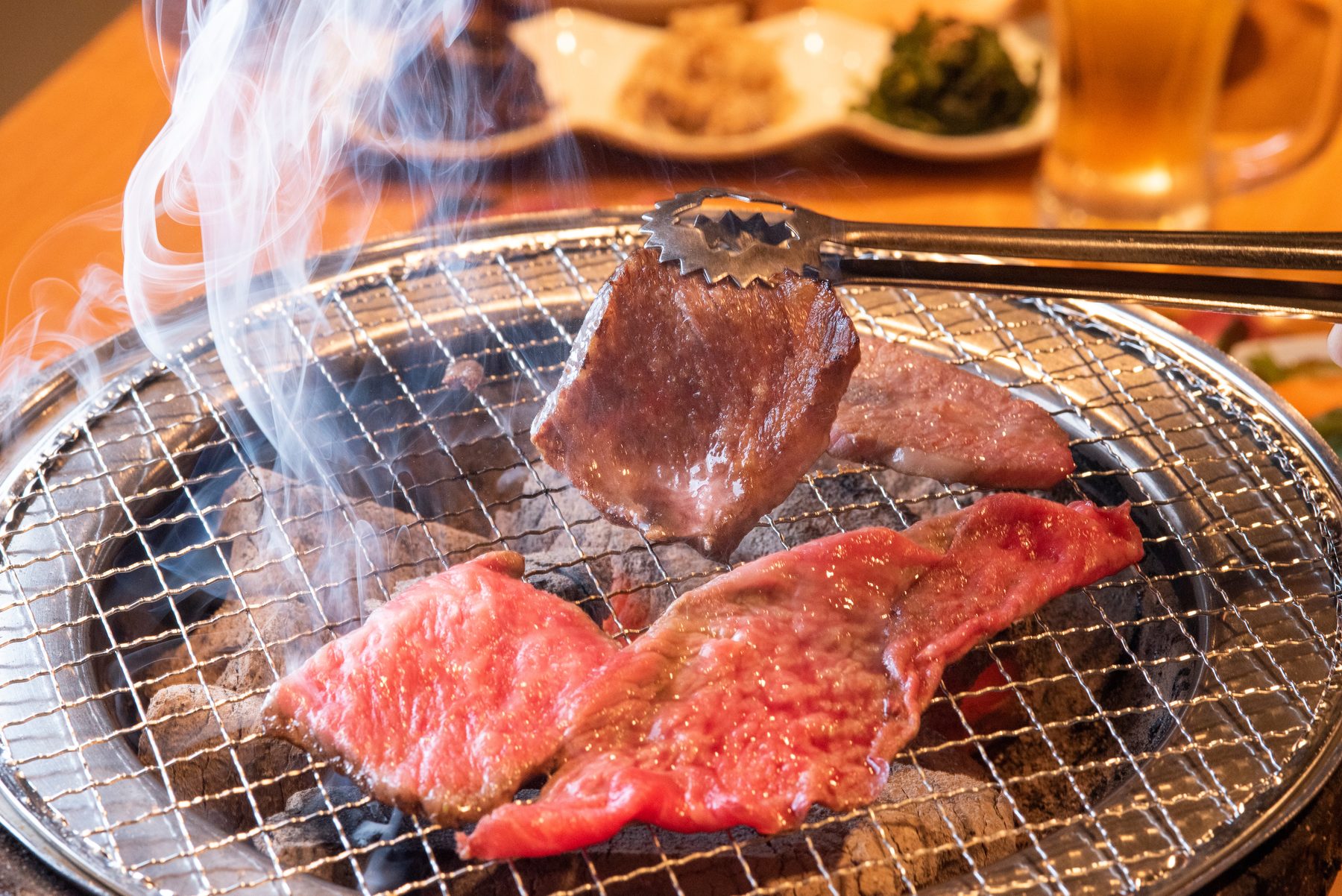
At home, many parents are used to allergen menus and servers trained to ask. In Japan, the law on allergen labels covers packaged food, not restaurant meals. Many places will still tell you what is in a dish, and some go a long way to help. But Japan's Consumer Affairs Agency, the government office responsible for food labels, warns diners that a restaurant's allergy information is not guaranteed to be accurate or up to date, to ask a manager or a staff member who knows about allergies, and to give the details in writing because the person taking the order is often not the cook.
That advice points to how to plan a trip. Restaurants you book ahead can prepare. A busy ramen counter or a food stall you find on the day cannot. For a severe allergy, put the booked meals at the center of the day and keep everything else to snacks you have checked yourself.
Write the allergy down in Japanese, including the forms it hides in (oil, broth, sauces, crackers), and hand it over at every meal. A written note goes to the kitchen; a spoken one often stops at the counter.
A note for the kitchen (example)
この子は えび と 落花生 に重い食物アレルギーがあります。少量でも症状が出ます。同じ油で揚げた料理、だし、調理器具の共用についても教えてください。
“This child has a severe food allergy to shrimp and peanuts. Even a small amount causes a reaction. Please also tell us about food fried in shared oil, broth, and shared cooking utensils.” Change the two allergens to your child's, and have it checked by your hotel or guide.
Convenience stores and shops
Which allergens are on Japanese food labels?
At a glance
Packaged food in Japan must show nine allergens, including shrimp, crab, peanuts, and tree nuts such as walnuts and cashews. Twenty more are listed only if the maker chooses to. The labels are in Japanese.
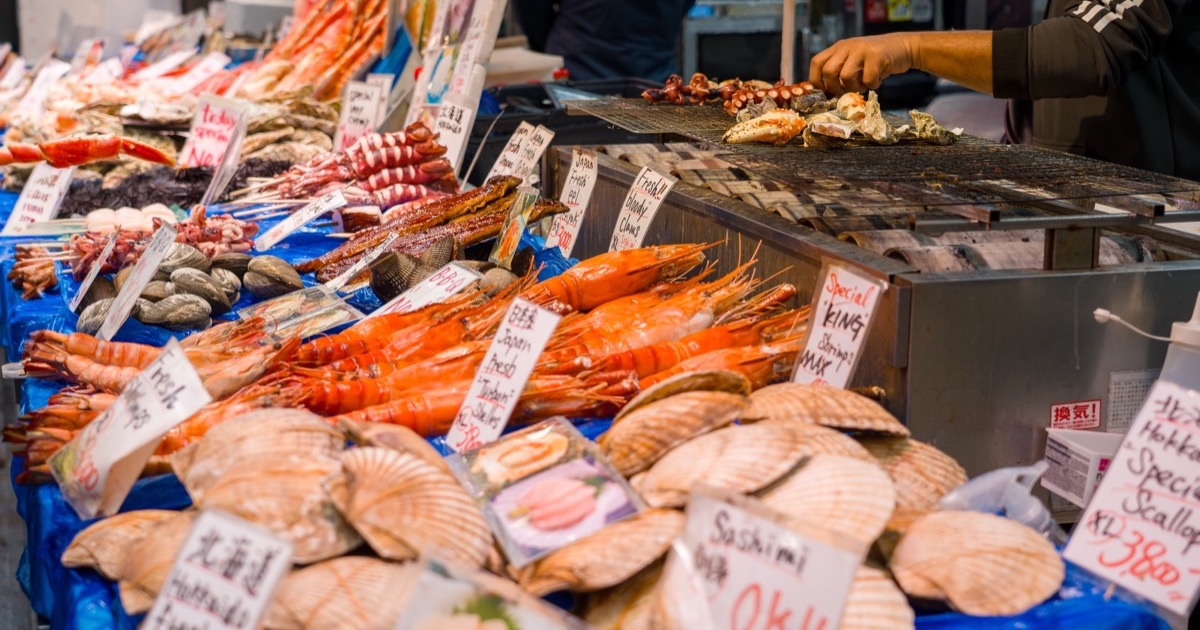
Japan's convenience stores are a gift for families: rice balls, sandwiches, fruit, and drinks at every corner. Everything packaged must list nine ingredients: shrimp, cashew nuts, crab, walnuts, wheat, buckwheat (soba), egg, milk, and peanuts. There are also 20 more, including soybeans, sesame, almonds, pork, beef, chicken, salmon, and gelatin, which makers are encouraged but not required to list. So if your child's allergy is to sesame or soy, a missing word on the label does not prove it is absent.
Allergens usually appear inside the ingredient list, in brackets after the ingredient that contains them, or in one bracket at the end. A translation app pointed at the label helps; the words below are the ones to look for.
The nine required allergens, in Japanese
| Allergen | On the label | Said |
|---|---|---|
| Shrimp / prawn | えび | ebi |
| Crab | かに | kani |
| Walnut | くるみ | kurumi |
| Cashew nut | カシューナッツ | kashu nattsu |
| Peanut | 落花生 / ピーナッツ | rakkasei / pinattsu |
| Wheat | 小麦 | komugi |
| Buckwheat | そば | soba |
| Egg | 卵 / たまご | tamago |
| Milk | 乳 / 乳成分 | nyu / nyu-seibun |
Fresh food at markets, bakeries that bag their own bread, and street food stalls are a different matter: much of it carries no label at all. Ask, or choose something you can see is safe.
Set courses
Can a ryokan or kaiseki restaurant handle an allergy?
At a glance
Usually, if the kitchen knows days ahead. A kaiseki dinner is planned course by course before you arrive, so changes asked for at the table are hard to make. Send the details when you book.
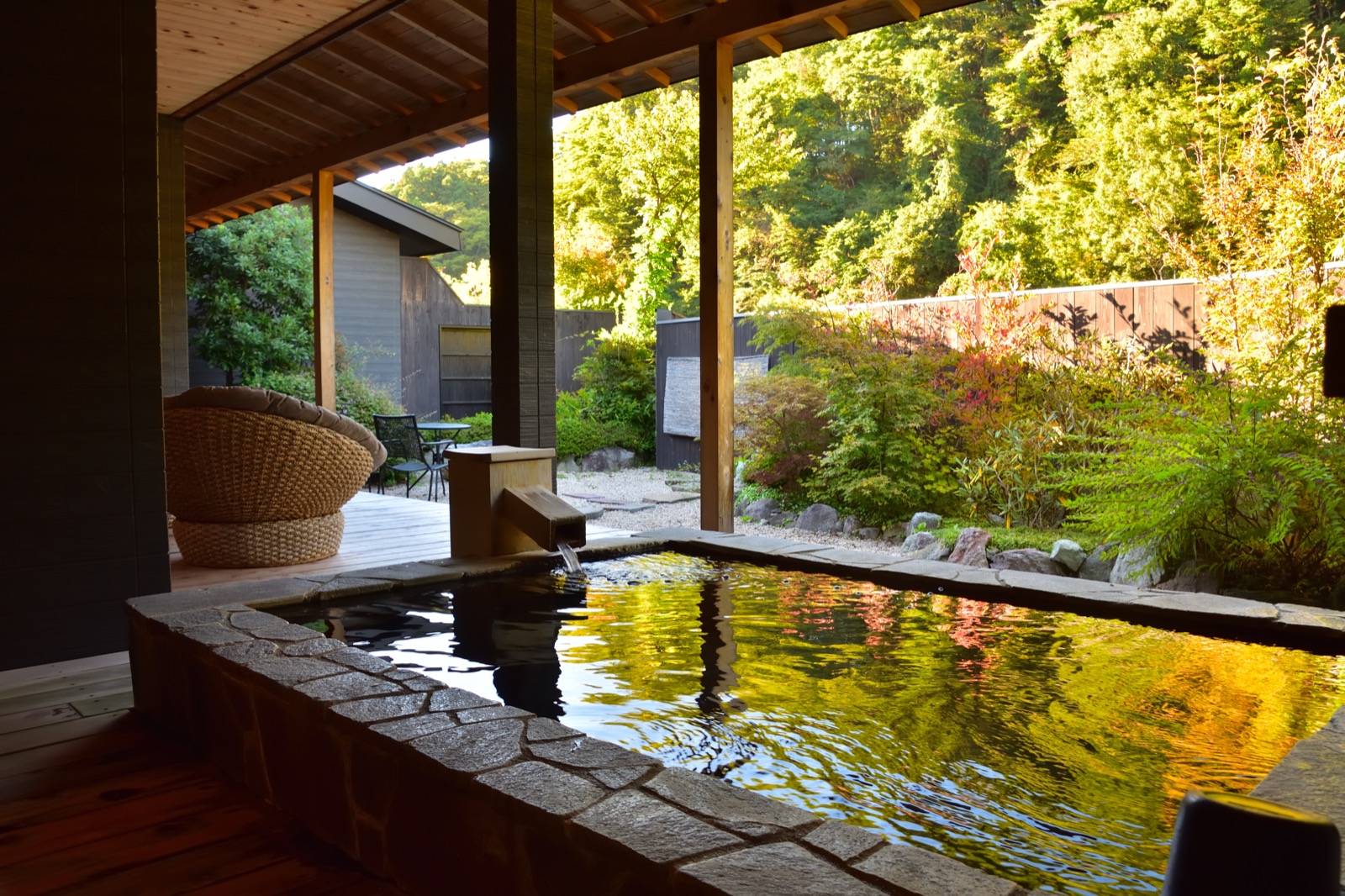
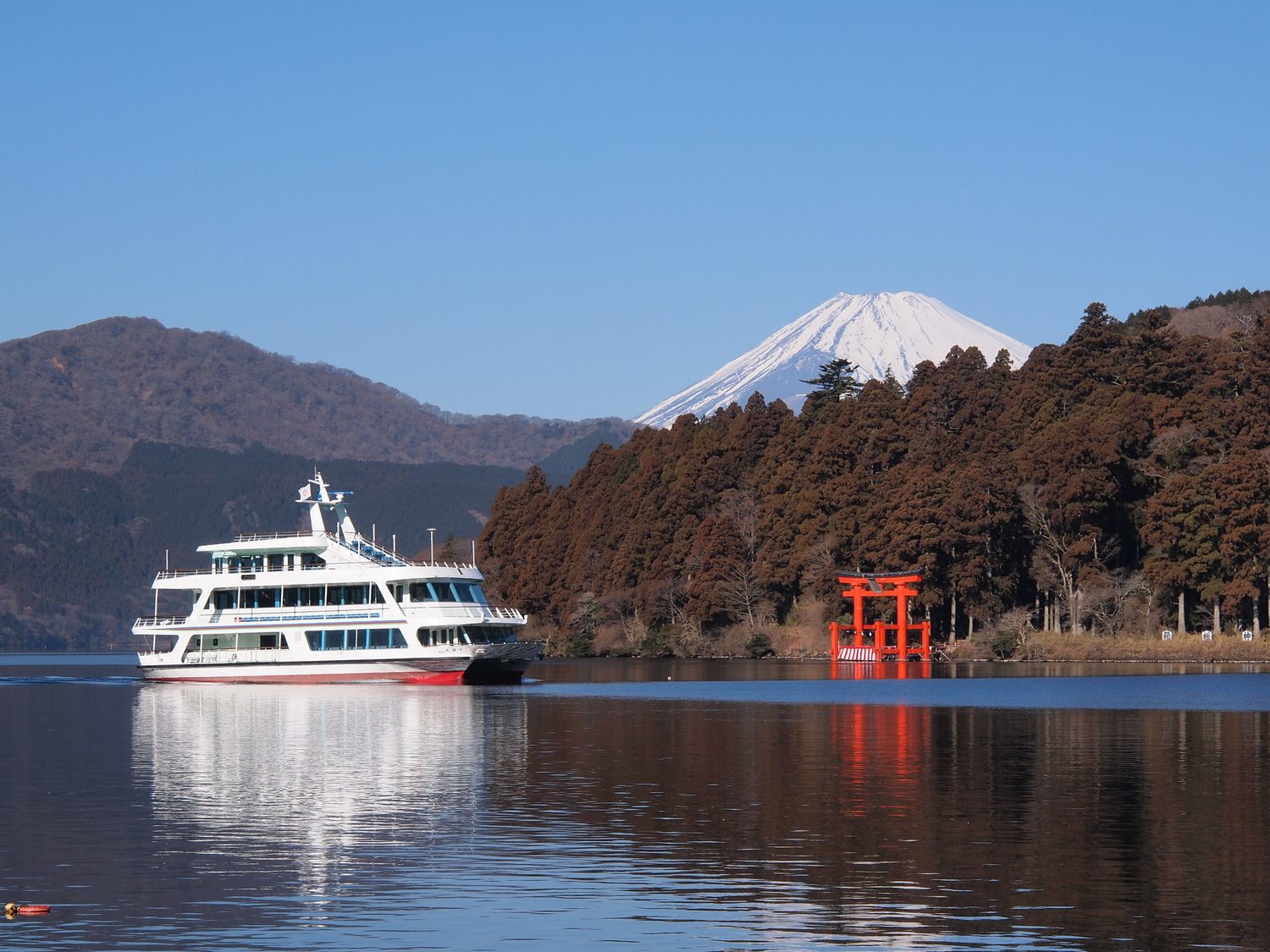
A night at a ryokan, a traditional Japanese inn, usually includes a kaiseki dinner: a long series of small seasonal courses, often with shellfish, fish stock, and sesame. Inns are used to dietary requests, but they need time. Gora Kadan in Hakone, for example, asks for an allergy form no later than three days before arrival, and requests made on the day cannot be accommodated. Our guide to luxury ryokan in Hakone with kids covers the rest of a ryokan night with children.
The same is true of kaiseki restaurants in Kyoto and of set-course meals anywhere. Tell the restaurant what your child cannot eat, ask whether the course can be changed for them, and ask what they will serve instead. If the answer is vague, choose a restaurant that orders dish by dish.
If a child simply will not eat the courses, say that too. A plain bowl of rice, miso soup, or grilled fish is an easy request days ahead and a hard one at the table.
Other diets
Can you eat vegetarian or without pork in Japan?
At a glance
Yes, with planning. The catch is dashi, a stock usually made with fish, which is in many dishes that look meat-free. Temple food called shojin ryori is fully plant-based, and booked restaurants can often adjust a course.
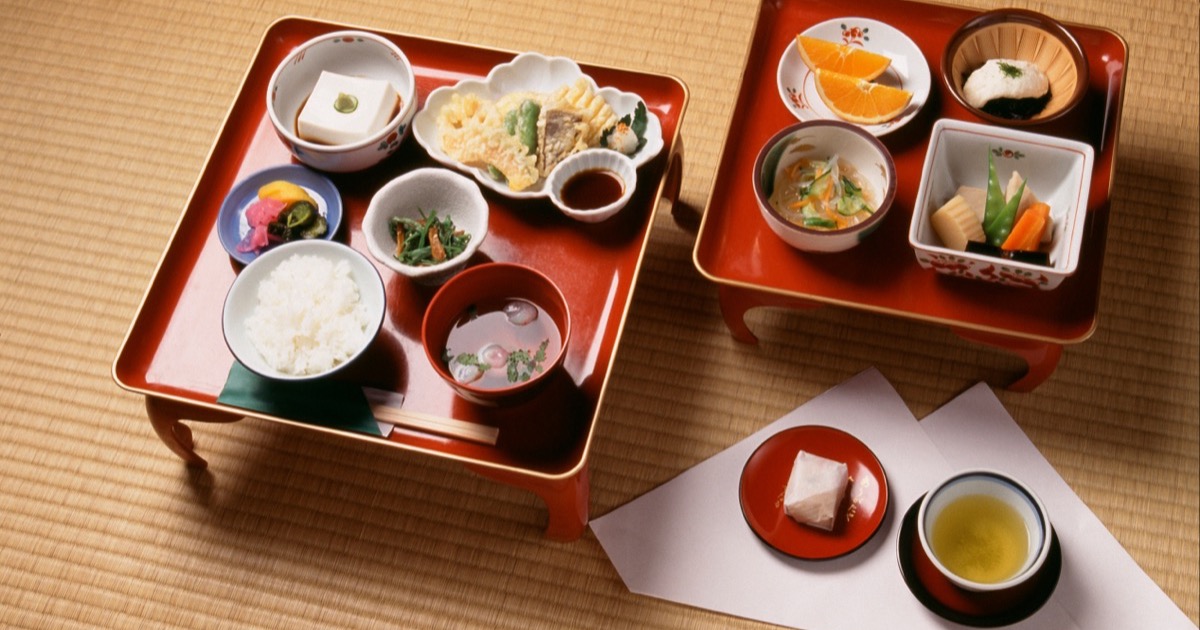
Some of the families who write to us are vegetarian, or do not eat pork. Both are possible in Japan, and both need the same habit as an allergy: say it ahead, and say it in detail. A noodle soup can be free of meat and still be made with fish stock, and pork turns up in dumplings, broths, and fried rice.
Our family in June preferred to avoid pork. For their yakitori dinner in Tokyo, we spoke to the staff and they built a set course for the family with pork taken out and his allergies worked around. Shojin ryori, the food served at Buddhist temples, is plant-based by tradition; our guide to Koyasan and the Kumano Kodo covers a night at a temple where it is served.
Just in case
What should you know about medicine and emergencies?
At a glance
Bring enough of your child's medicine for the whole trip, with the prescription, and check Japan's rules before you fly. The number for an ambulance is 119.

Japan limits the medicine you can bring in without a permit. For self-injected medicine, the Ministry of Health says self-injected medicine brought in together with its injectors, up to a one-month supply, needs no import certificate. Rules for other medicines differ, so check the ministry's page for each one your family carries, and keep the prescription with it.
In an emergency, call 119. Hotel staff and guides can call for you and explain in Japanese. Remember that the epinephrine pen is no use in the suitcase: on day trips, it goes in the bag that stays with your child.
Save the allergy note, the prescription, and your hotel's address on your phone as well as on paper. If your child needs help, everything the hospital asks for is in one place.
A real trip
How one family managed a severe allergy
At a glance
The father of a family of four was severely allergic to shrimp, tuna, and peanuts. J:E passed the details to the ryokan and the restaurants booked ahead. One set lunch, booked two days before, showed where the limits of a fixed course are.
Before the trip. Eleven days before their night in Hakone, we asked the family about allergies and foods they avoided. When we found their ryokan dinner in Hakone had never been reserved, we booked it and sent the inn his allergies with the booking.
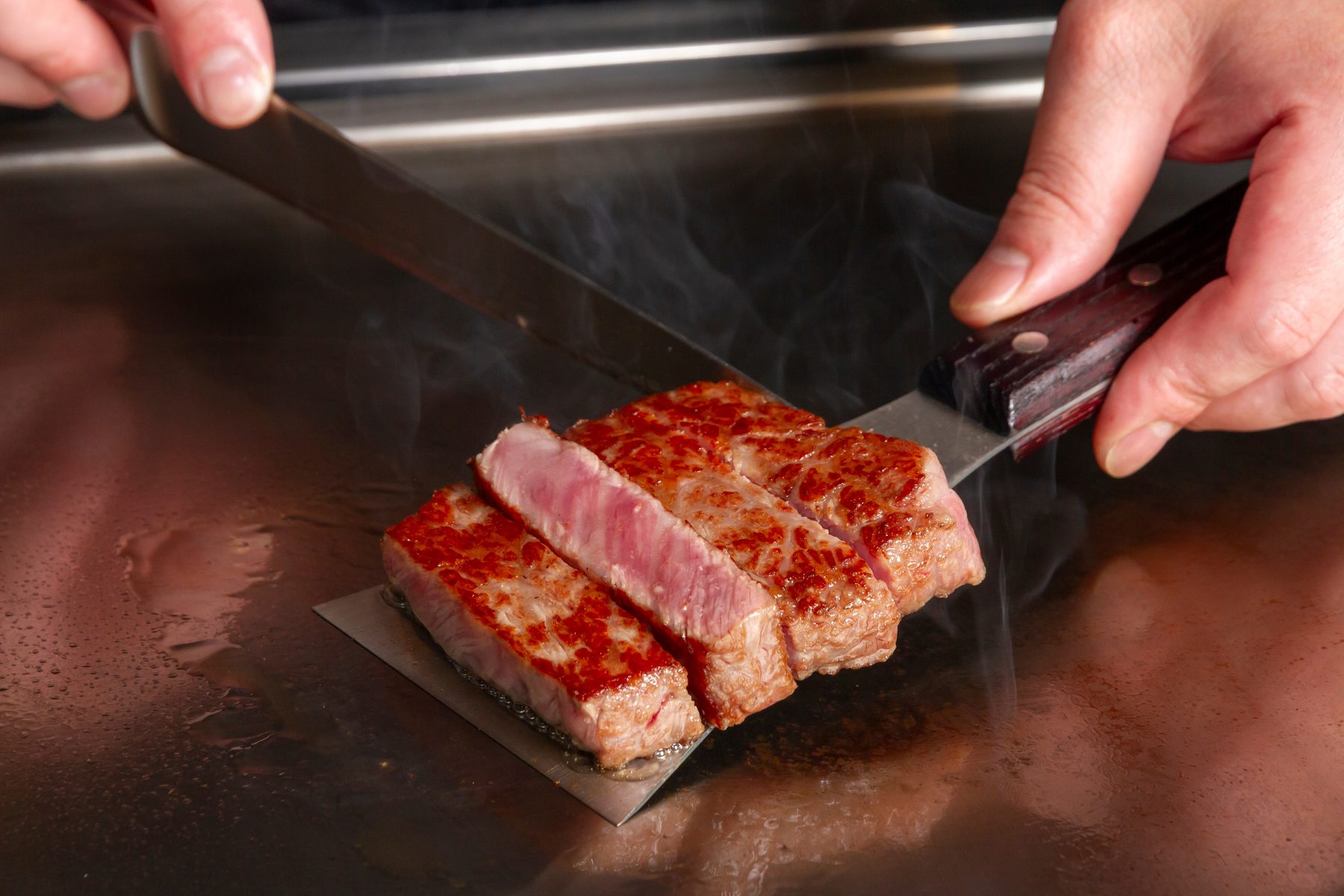
In Tokyo and Kyoto. For each booked meal, from yakitori in Tokyo to a steak dinner in Gion, the restaurant had the details in advance, and the day plan noted it. At a tofu lunch in Arashiyama, the plan told him the utensils were shared but his allergens would not be used.
“So we can't take any chances here.”
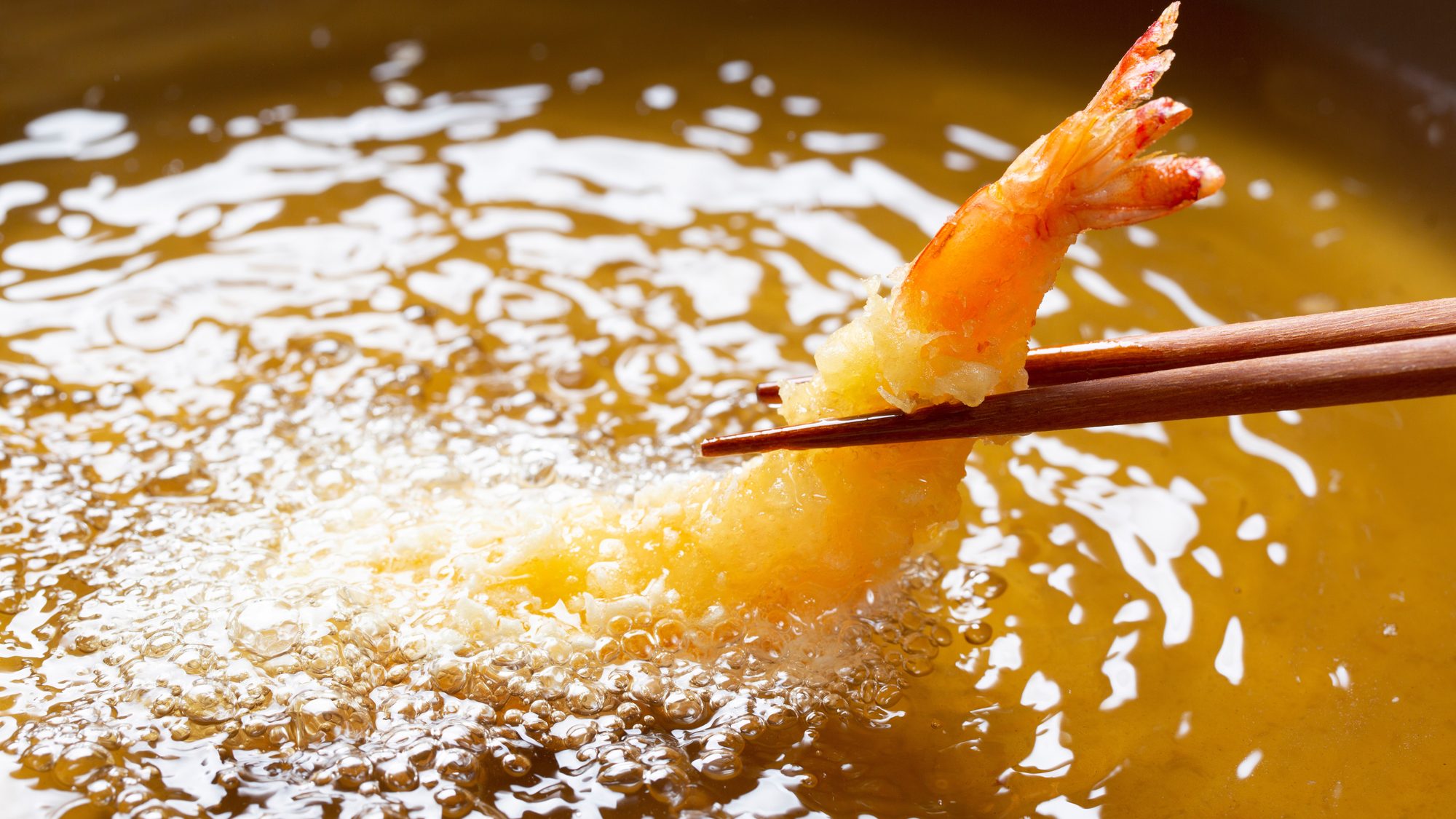
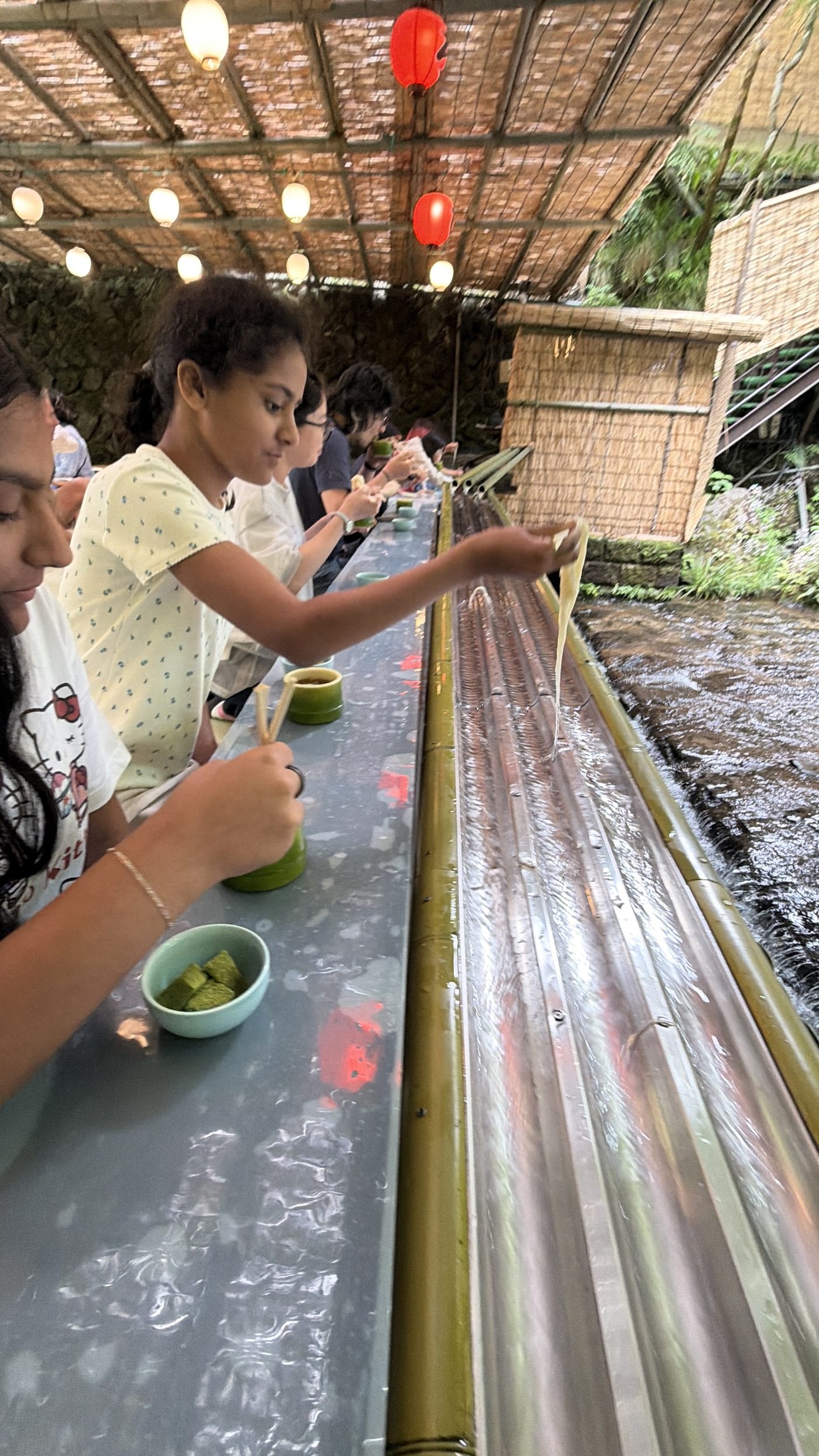
The lunch that went wrong. The family asked to add a riverside lunch north of Kyoto, famous for its flowing somen, and it was booked two days before. The set course arrived with shrimp in the first dishes and tempura fried in shared oil. The staff changed the next course, and the family went on to the somen they had come for. The lesson: for a severe allergy, ask a set-course restaurant about shared oil as well as the ingredients, and confirm it can change the course before the day. Read their ten days.
Which restaurants can cook for your child, what goes in the note to the kitchen, and which meals to keep simple: this is the part worth planning before you land. Start a conversation →
The difference
Every kitchen briefed before you sit down
With an allergy, the hard part is not finding good food in Japan. It is making sure the right person in each kitchen knows, in Japanese, before the meal.
When we plan a family's trip, we ask about allergies and foods to avoid, and pass them on with the bookings we make. Our guide to planning it yourself or with help compares the two.
Plan meals around your family →Questions, answered
Is Japan safe for kids with food allergies?+
Many families with allergies travel in Japan, but it takes more preparation than at home. Packaged food is labeled for the main allergens, while restaurants vary a great deal. Book ahead, brief each restaurant in writing, and plan the days you cannot control.
Do restaurants in Japan have to list allergens?+
No. Japan's labeling law covers packaged food. Many restaurants will still tell you what is in a dish, but Japan's Consumer Affairs Agency itself warns that a restaurant's allergy information is not guaranteed to be accurate or up to date, to ask a manager or a staff member who knows about allergies, and to give the details in writing because the person taking the order is often not the cook.
Which allergens are on Japanese food labels?+
Packaged food must show nine ingredients: shrimp, cashew nuts, crab, walnuts, wheat, buckwheat (soba), egg, milk, and peanuts. There are also 20 more, including soybeans, sesame, almonds, pork, beef, chicken, salmon, and gelatin, which makers are encouraged but not required to list. The labels are in Japanese.
Can a ryokan handle a food allergy?+
Usually, if you tell them well ahead. The kitchen plans the courses before you arrive. Gora Kadan in Hakone, for example, asks for an allergy form no later than three days before arrival, and requests made on the day cannot be accommodated.
Is tempura safe with a shellfish allergy?+
Often not. Vegetable tempura may be fried in the same oil as shrimp. Ask the restaurant whether it can use fresh oil or a separate fryer, and if it cannot, skip the tempura.
Can I bring an epinephrine auto-injector to Japan?+
Usually, yes. Japan's Ministry of Health says self-injected medicine brought in together with its injectors, up to a one-month supply, needs no import certificate. Check the ministry's page before you fly, and carry the prescription.
What number do I call for an ambulance in Japan?+
119. It is the number for both ambulance and fire.
Is it hard to eat vegetarian in Japan with kids?+
It is possible, but harder than it looks. Many dishes that seem meat-free use dashi, a stock usually made with fish. Temple food called shojin ryori is fully plant-based, and restaurants booked ahead can often adjust a set course.
Continue exploring
Japan changes its prices and its rules more often than most countries, and a good deal of what is written about it online is quietly out of date. The fares, fees, taxes and access rules on this page were checked against the official sources below in October 2026. Where something was likely to move, we have said so in the text. If you are traveling on dates far from that, check the official page — or ask us — rather than trusting any guide, including this one.
Checked against