
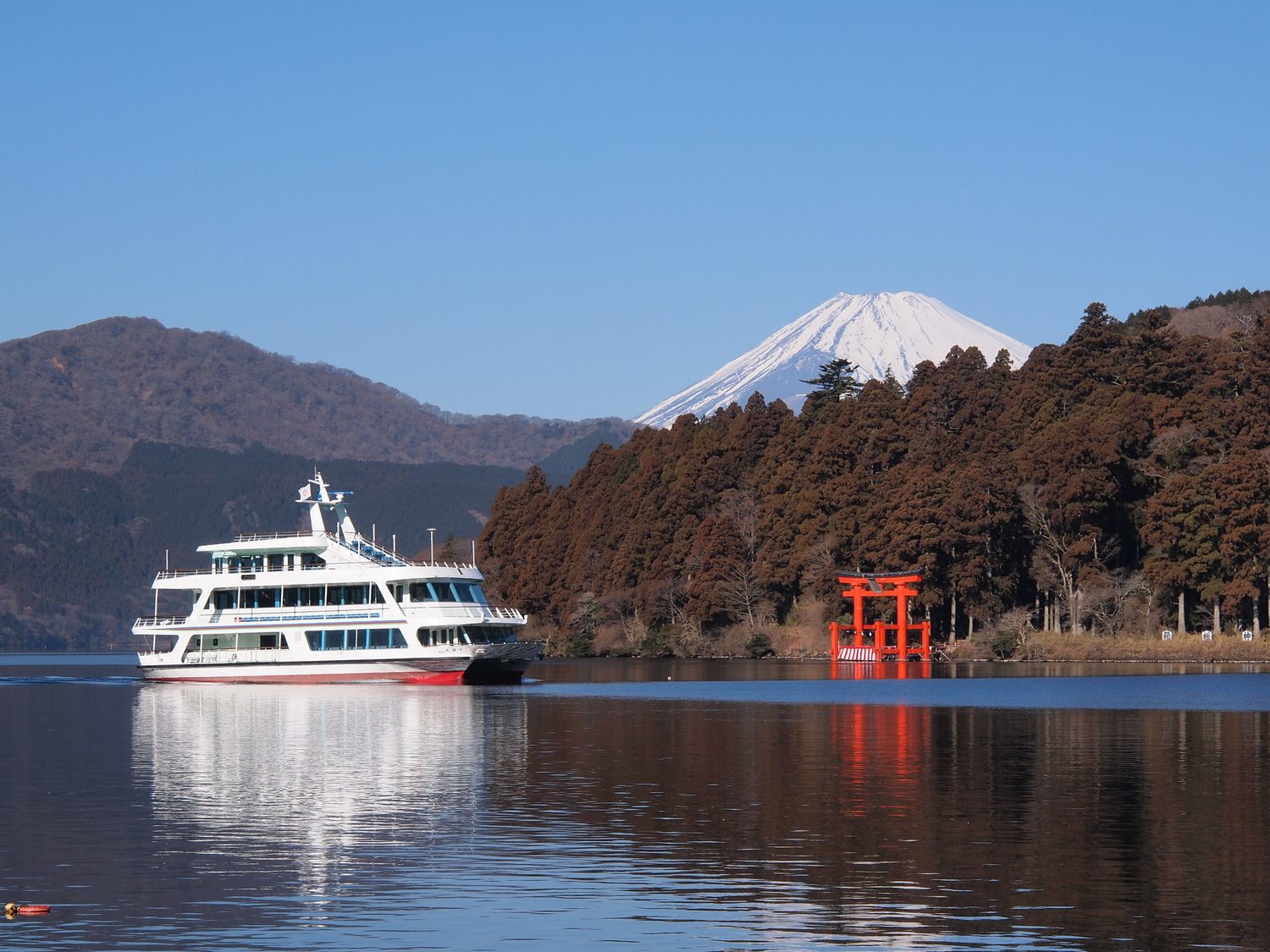
Travel Guide · Family Travel
Luxury Ryokan in Hakone with Kids
Which inns take children, what the bath rules mean for little ones, and how to make one night in Hakone work for the whole family.
Eleven days before their night in Hakone, a family of four from the United States told us they had booked a ryokan there on their own. We called the inn to check the details and found that their dinner had never been reserved. We booked it, passed on the family's food allergies, and chose one of the inn's two evening sittings to fit their day.
In Hakone, most of the inns are beautiful. What matters with children is the small print: ages, baths, dinner times, and when bookings open.
At a glance
Many of Hakone's best ryokan welcome children, but the rules differ at each inn. Check four things on the inn's own site: the age policy, the bath rules (children in diapers usually cannot use the shared baths), the dinner times, and when bookings open. With small children, a room with its own open-air bath makes the stay.
Before you fall for an inn
Do luxury ryokan in Hakone accept children?
At a glance
Many do, and some do not. A few inns in Hakone are built for adults, while others take children of any age and lend baby items. The age at which a child pays the adult rate is different at each inn.
Some inns do not take young children at all, and say so on their own pages. Others are glad to have families. Gora Kadan, one of the best-known inns in Hakone, has no age restriction for children, and guests aged 13 and over pay the adult rate. It also provides children's yukata, setta sandals, and toothbrushes, and lends a baby crib, a baby chair, and a child toilet seat.
Review sites and blog lists rarely mention any of this, so read the inn's own FAQ or ask it directly before you set your heart on a room. Then count the children correctly. A teenager is usually an adult for booking purposes, which changes both the price and how many guests the room must take.
If a young child will share a futon, say so when you book. Whether the inn counts that child as a guest changes which rooms you can take.
The onsen
Can kids use the onsen at a ryokan?
At a glance
Once they are out of diapers, usually yes. Toddlers who are not toilet-trained cannot use the shared baths at most inns, so a room with its own open-air bath or a private bath you reserve is the way to bathe together.

Japan's shared baths have house rules, and they are stricter for small children than many parents expect. At Gora Kadan, children who are not yet toilet-trained may not use the public baths or the pool, even in swim diapers, and children aged 7 and over are asked not to use the bath of the opposite sex. Rules like these are common: at Hakone Yuryo, a day-use hot spring elsewhere in Hakone, children aged 5 and under are not admitted to the public baths and are asked to use the private open-air baths, and guests wearing diapers are not permitted to bathe at all. Ask each inn how bathing a baby works before you book.
That is why families with young children often choose a room with its own open-air bath. Many of Hakone's luxury inns have them, and the whole family can bathe together whenever they like, with no rules about age or sex. Some hotels in the area offer private family baths instead: Hakone Hotel Kowakien, a resort hotel rather than a ryokan, has seven private family baths, and lends baby items such as a baby bath and a bed guard; a crib is extra and must be reserved.
One more rule worth knowing before you go: many baths in Japan restrict tattoos. Our guide to Mt. Fuji and Hakone explains what that means in practice.
Where everyone sleeps
Which ryokan rooms work for a family?
At a glance
A Japanese-style room with futons is the easiest fit, because the futons are laid out for the number of guests. Check the room's maximum and whether small children can share a futon.
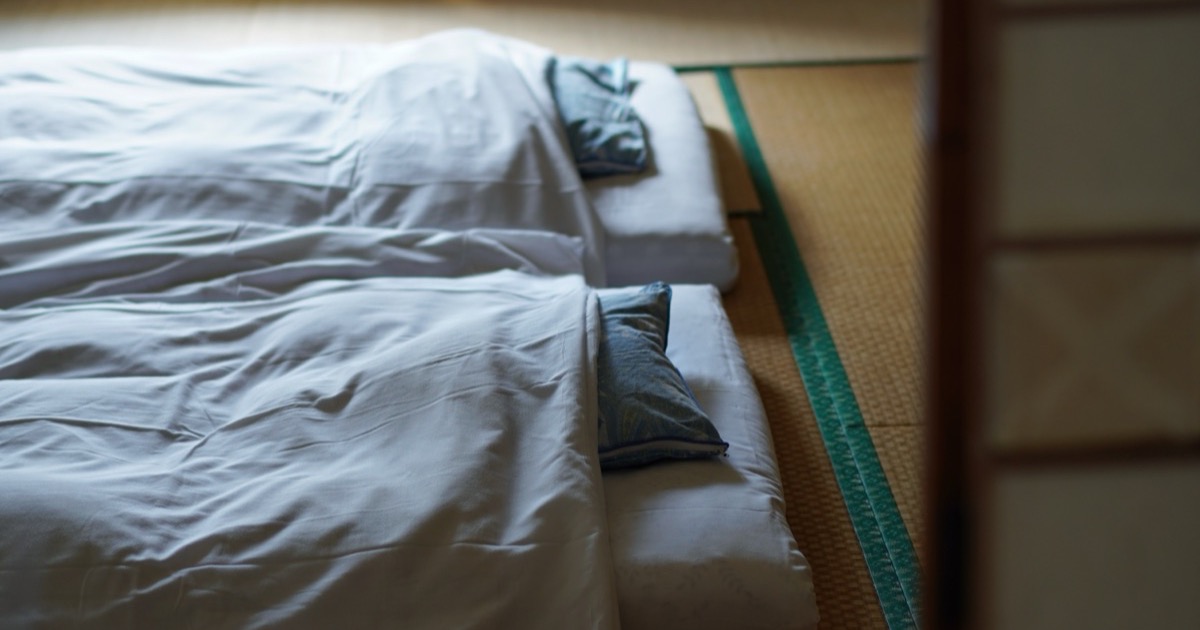
With children, the question is less how big the room is than how the inn counts heads. Futons go down for the number of guests, so a family of four or five can often share one Japanese-style room, but a small child sharing a parent's futon may or may not count as a guest. KAI Hakone, for example, has rooms for 1 to 5 guests and a playroom, and children up to age 6 can share a bed up to the room's capacity.
Some inns also have rooms with beds, or rooms that mix beds and tatami, which can be easier for grandparents. If you are traveling as five, our guide to hotels for a family of five covers the rest of the trip.
What to check before you book
Children's age
Some inns are built for adults; others take any age.
Ask: Is there a minimum age, and from what age is a child charged as an adult?
Baths
Toddlers in diapers usually cannot use the shared baths.
Ask: Does the room have its own bath, or is there a private bath to reserve?
Room size
Futons are laid out for each guest.
Ask: How many guests does the room take, and can small children share a futon?
Dinner
A long course, usually at a set time.
Ask: Is there an early sitting, and what can the kitchen make for the children?
Booking
Windows open months ahead.
Ask: When do bookings open, and is it online or by phone?
| Topic | What is common | Ask the inn |
|---|---|---|
| Children's age | Some inns are built for adults; others take any age | Is there a minimum age, and from what age is a child charged as an adult? |
| Baths | Toddlers in diapers usually cannot use the shared baths | Does the room have its own bath, or is there a private bath to reserve? |
| Room size | Futons are laid out for each guest | How many guests does the room take, and can small children share a futon? |
| Dinner | A long course, usually at a set time | Is there an early sitting, and what can the kitchen make for the children? |
| Booking | Windows open months ahead | When do bookings open, and is it online or by phone? |
Kaiseki
What is a ryokan dinner like with children?
At a glance
Dinner is a long kaiseki course, usually at a set time and often in your room. Choose the earlier sitting if there is one, and send allergies and food the children will not eat days before you arrive.
A kaiseki dinner is a series of small seasonal courses, brought one at a time. It is the center of a ryokan stay, and it takes time: at the June family's inn, the course was set at 90 to 120 minutes. The inn had two sittings, one starting around five and one around seven. We chose the later one because their day was full; with small children, the earlier sitting is often the kinder choice.
Many inns serve dinner in your room, which takes the pressure off a restless child. Kitchens plan the courses ahead, so requests made on the night are hard to meet. Gora Kadan, a different inn, serves dinner at 6:00 or 7:00 p.m., usually in your room, and asks for an allergy form no later than three days before arrival, and requests made on the day cannot be accommodated.
Ask the inn what the kitchen can serve a child who will not eat the courses. A simpler plate for one child is a small request when it is made days ahead.
Timing
How far in advance should you book a Hakone ryokan?
At a glance
Months ahead. Booking windows are set by each inn, some open by phone first, and the rooms that take a whole family are the first to go.
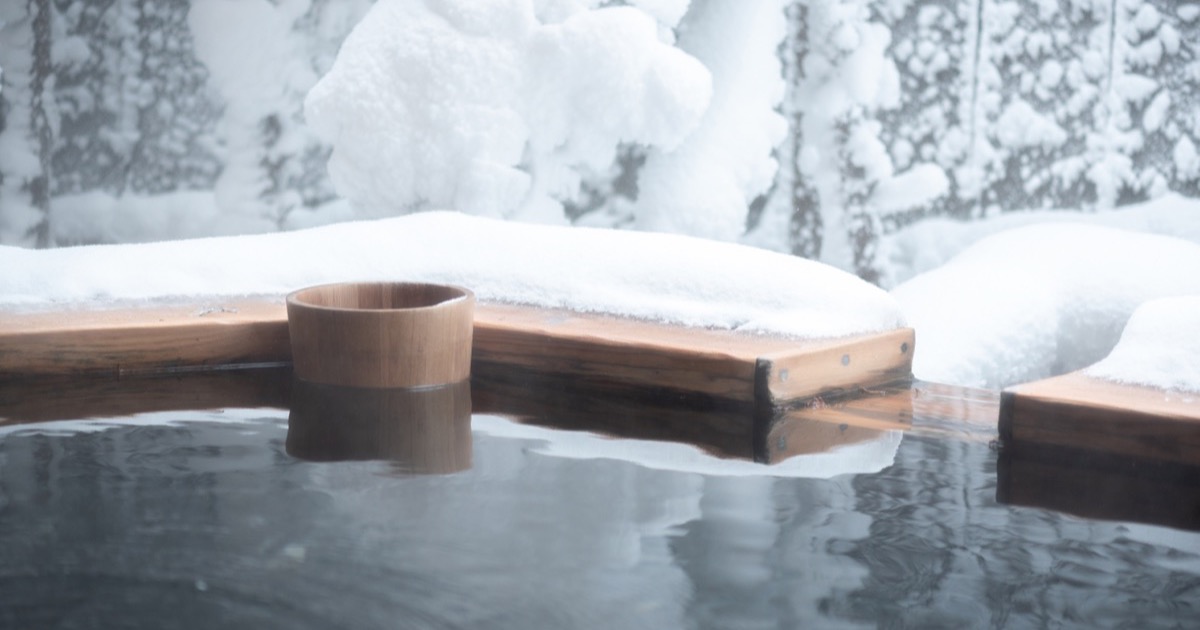
The best inns in Hakone have only a few dozen rooms, and only some of those take four or five people. Each inn sets its own booking window. Gora Kadan opens bookings six months ahead, from 12:30 p.m. Japan time on the 1st of the month, and at first by phone only. Hakone Ginyu takes bookings by phone, up to one year ahead of the date.
Cherry blossom season, autumn leaf season, and Japan's own holiday weeks fill first. Our guide to the best time to visit Japan shows when these fall. If your dates are fixed, book the ryokan before the rest of the trip, and build the route around it.
The rest of the stay
Is one night in Hakone enough with kids?
At a glance
For the ryokan itself, yes. Arrive by late afternoon, bathe, have dinner, and spend the next morning at the Hakone Open-Air Museum or on Lake Ashi before you move on.
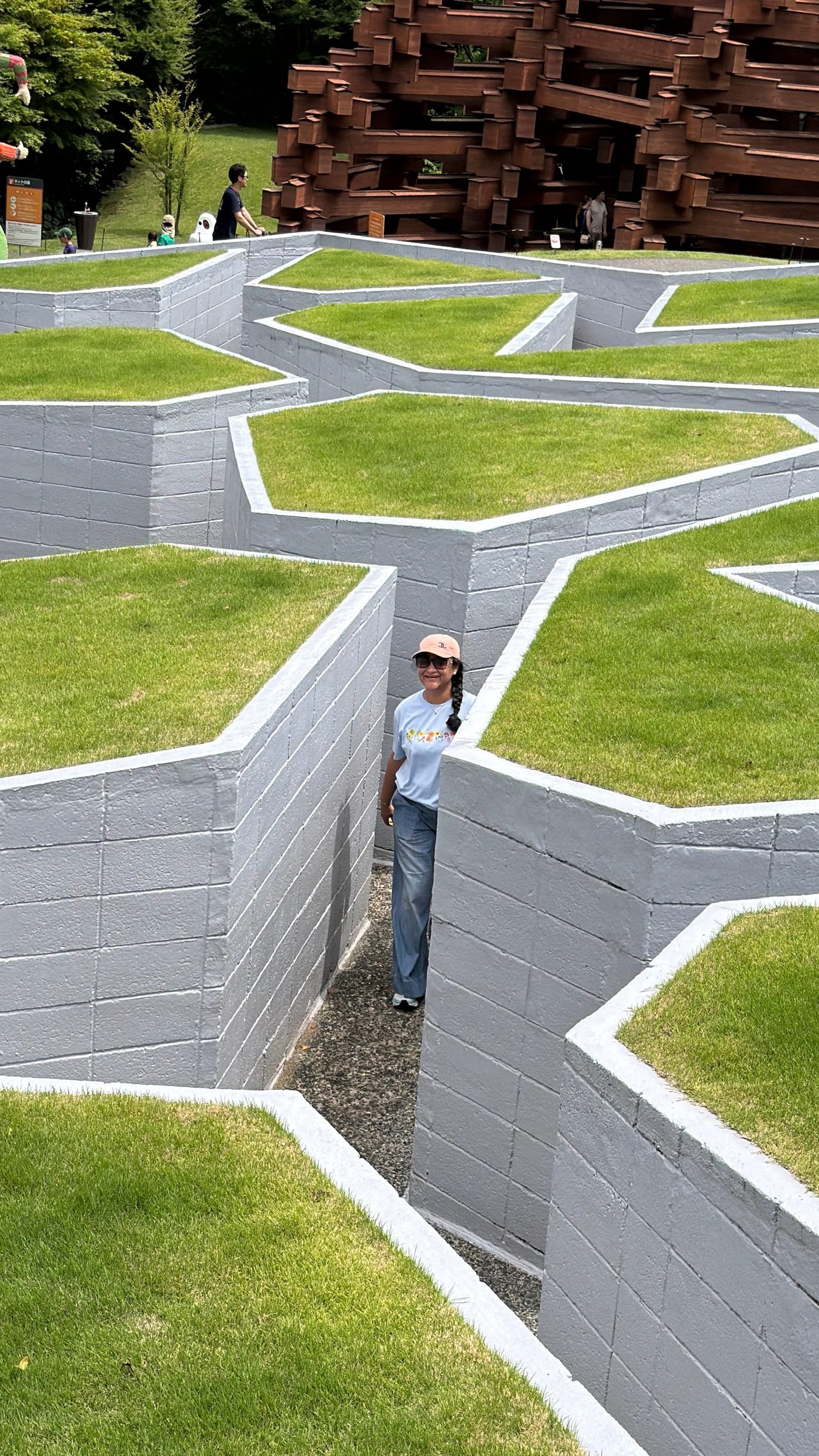
A ryokan stay starts in the afternoon. Check-in is usually mid-afternoon, and dinner is early by Western standards, so arriving late wastes the part you paid for. Plan the day before Hakone so you reach the inn with time for a bath before dinner.
The morning after is for Hakone itself. Children tend to love the Hakone Open-Air Museum, with sculpture to climb around and space to run, and the boats on Lake Ashi. Two nights let you slow down, and one is enough to feel the inn. Our guide to Mt. Fuji and Hakone covers the sights and how to get there.
Traditional inns rarely offer overnight laundry, and stairs and narrow corridors make big suitcases hard work. Many families send their large bags on to the next city, either before Hakone or from the inn the next morning.
A real trip
How one family did their night in Hakone
At a glance
A family of four booked a ryokan in Gora themselves. J:E checked the booking, planned the drive from Tokyo by way of Mt. Fuji, and worked out where the heavy luggage would go after Hakone.
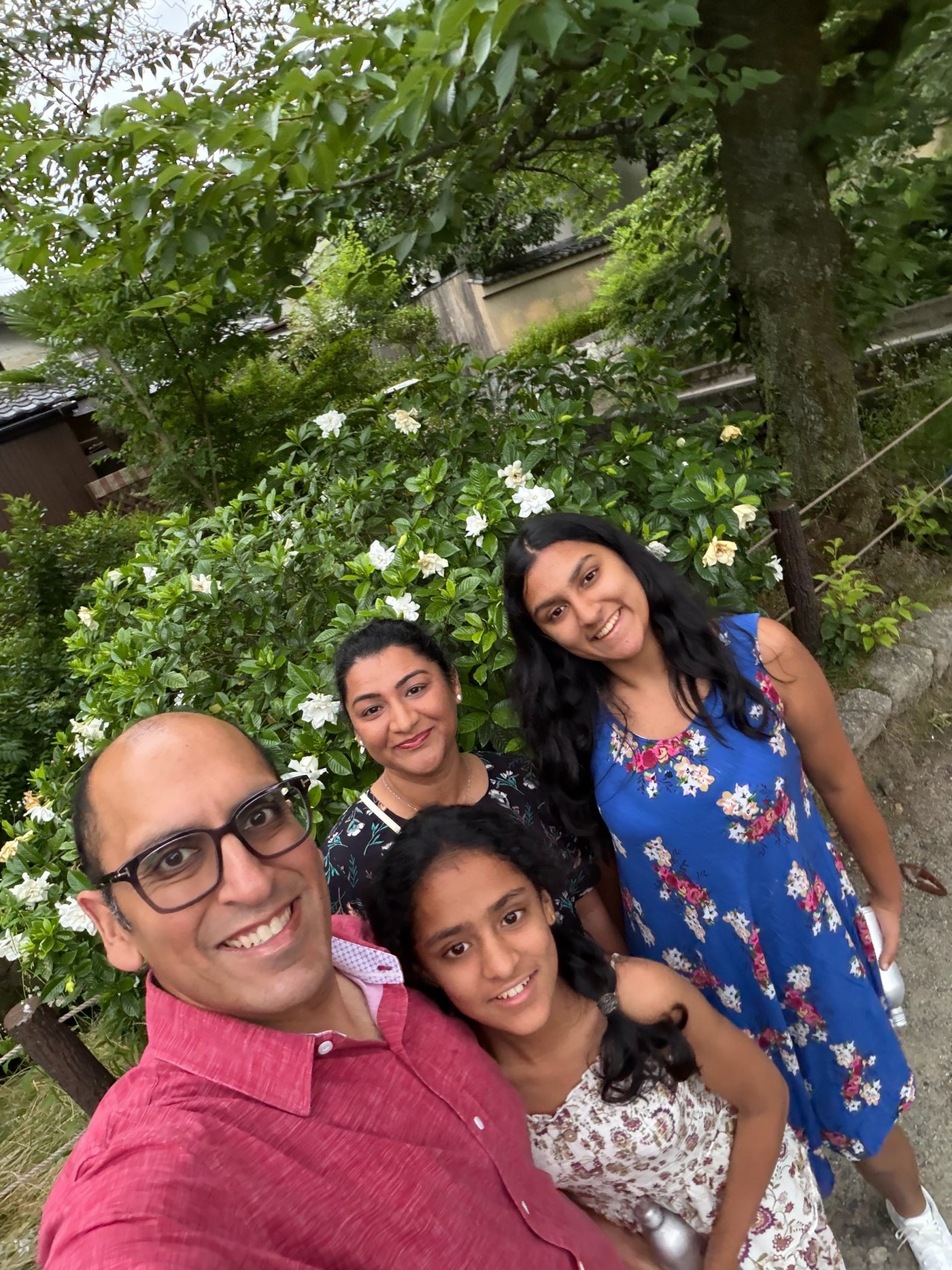
The booking. The family had reserved their ryokan on their own. When we called to check it, there was no dinner on the reservation. We booked the kaiseki dinner, gave the kitchen the family's allergies and the foods they preferred to avoid, and picked the seven o'clock sitting so the day would not be rushed.
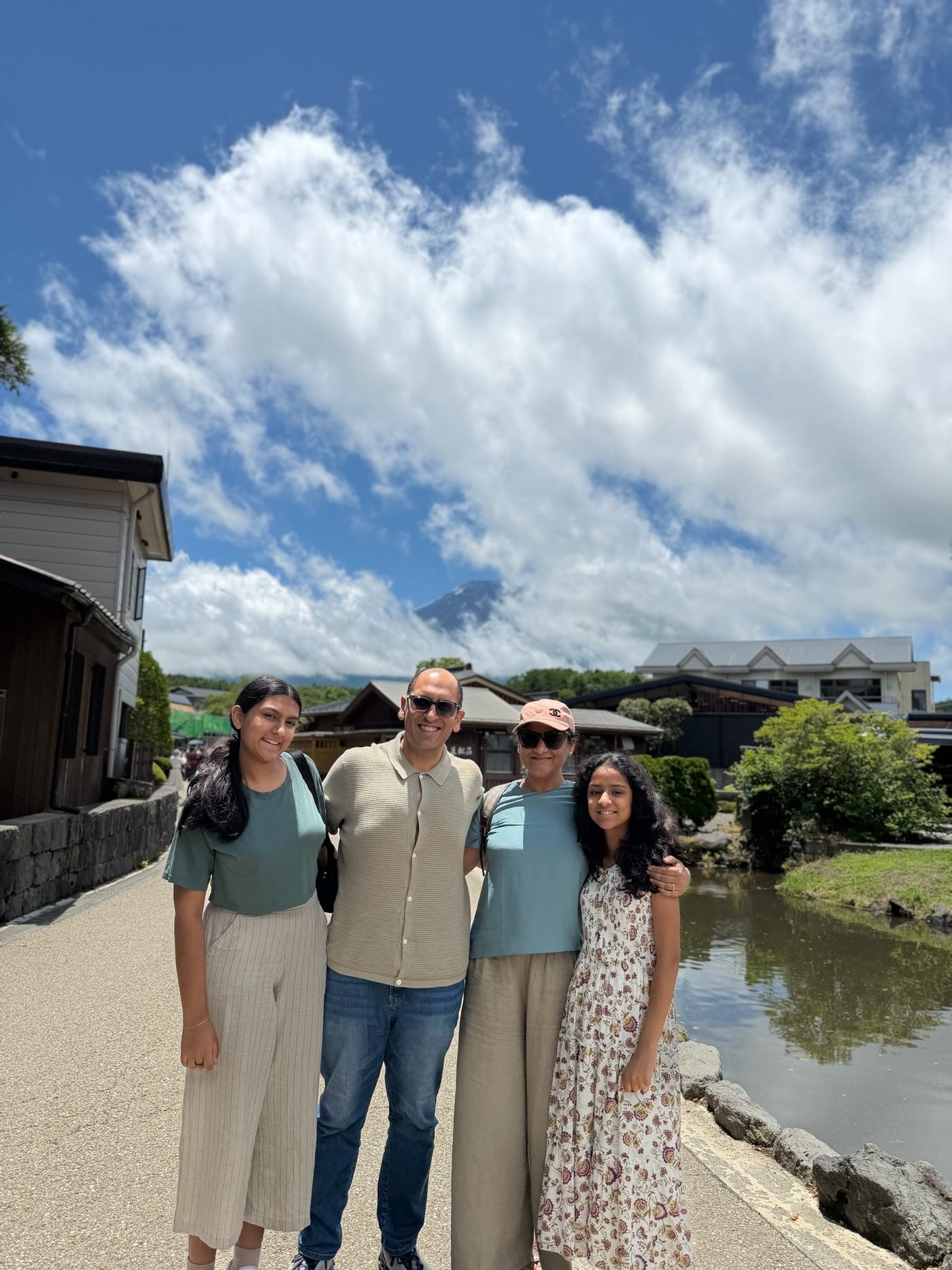
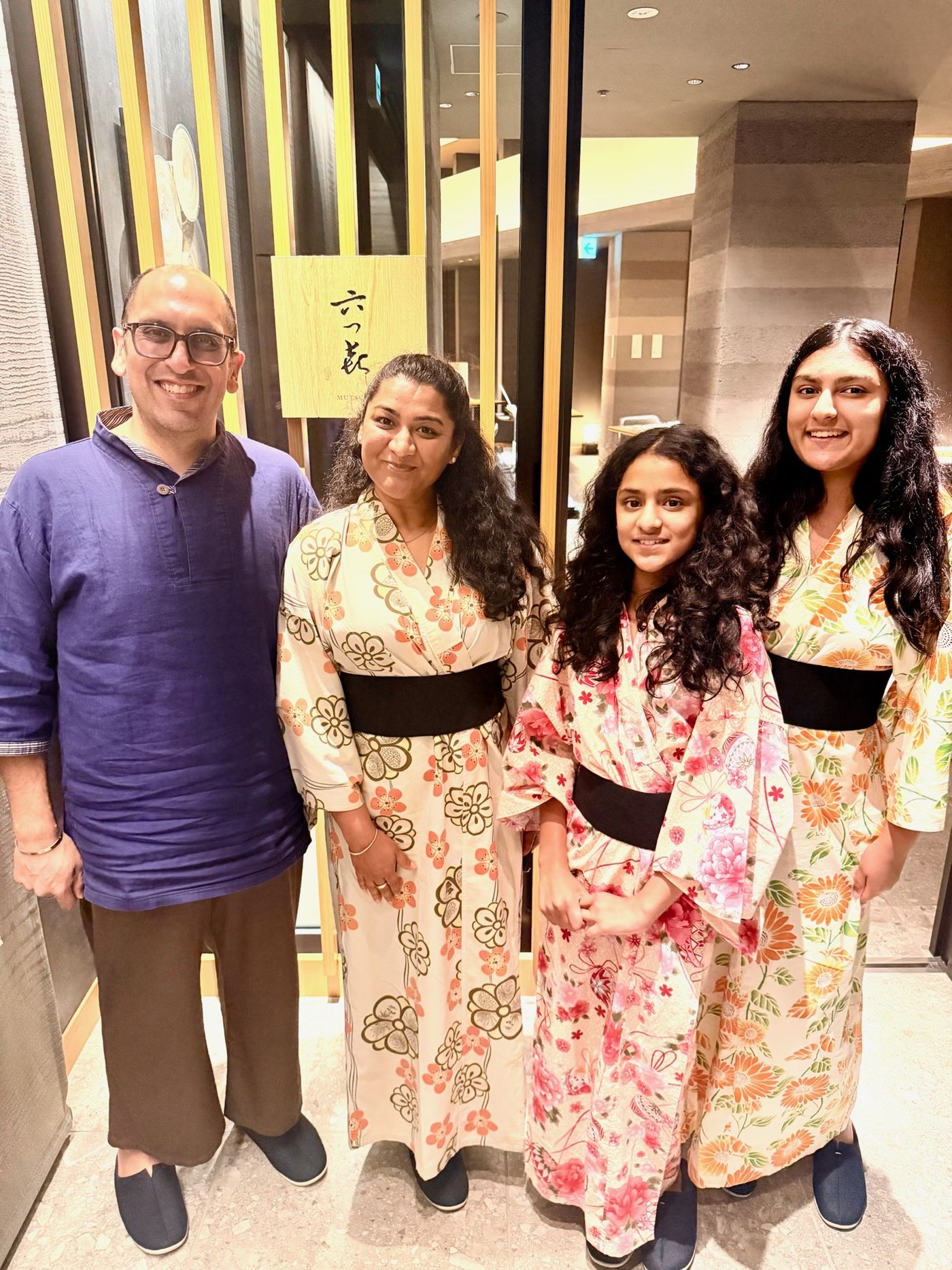
The day. A private guide and driver picked the family up at their hotel in Ginza at eleven. They stopped at the spring ponds of Oshino Hakkai near Mt. Fuji and rode a ropeway before coming down into Hakone, and checked into their ryokan in Gora by five, with time for yukata before dinner.
“Is there a good place to do laundry while we are in Japan?”
The luggage. When the family asked about laundry, we checked all four of their stays. The ryokan was the only one with no laundry service. It mattered less than it might have: we had already suggested sending the heavy suitcases on from the ryokan the next morning, to arrive the day after they reached Kyoto, with day bags for their first night there. The next morning belonged to the Hakone Open-Air Museum, then the bullet train. Read their ten days.
Which inn takes your children, which sitting to book, and where the suitcases go that night: this is the part of Hakone worth planning. Start a conversation →
The difference
One night, planned around your children
A ryokan night is short, and most of it is fixed: the time you arrive, the dinner sitting, the bath. With children, those fixed points are what make the night easy or hard.
Some families hand us the whole trip; others have already booked their inn and ask us to check it, book the dinner, and get them and their bags there. Our guide to planning it yourself or with help compares the two.
Plan your family's Hakone night →Questions, answered
Do luxury ryokan in Hakone allow children?+
Many do, but not all, so check each inn's own page before you fall for it. Gora Kadan, for example, has no age restriction for children, and guests aged 13 and over pay the adult rate. A few inns in Hakone are built for adults, and their rules are on their own sites.
Can kids use the onsen at a ryokan?+
Usually yes, once they are out of diapers. At Gora Kadan, children who are not yet toilet-trained may not use the public baths or the pool, even in swim diapers, and children aged 7 and over are asked not to use the bath of the opposite sex. For small children, a room with its own open-air bath, or a private bath you reserve, solves the problem.
Can a toddler in diapers bathe in a Japanese hot spring?+
Usually not in the shared baths, and sometimes not in a reserved private bath either. At Gora Kadan, children who are not yet toilet-trained may not use the public baths or the pool, even in swim diapers, and children aged 7 and over are asked not to use the bath of the opposite sex. At Hakone Yuryo, a day-use hot spring, children aged 5 and under are not admitted to the public baths and are asked to use the private open-air baths, and guests wearing diapers are not permitted to bathe at all. A room with its own bath is the simplest answer, so ask the inn how bathing a baby works there before you book.
What age is a child charged as an adult at a ryokan?+
It is different at each inn. At Gora Kadan, there is no age restriction for children, and guests aged 13 and over pay the adult rate. Enter every child and their age when you book.
Is a ryokan dinner too long for young children?+
A kaiseki dinner is a series of small courses and often takes around two hours. If your inn offers more than one dinner time, the earlier one is usually kinder to small children. Ask what the kitchen can make for them when you book.
How far in advance should you book a ryokan in Hakone?+
Months ahead, and earlier for spring, autumn, and Japanese holidays. Gora Kadan opens bookings six months ahead, from 12:30 p.m. Japan time on the 1st of the month, and at first by phone only. Hakone Ginyu takes bookings by phone, up to one year ahead of the date.
Can a whole family share one ryokan room in Hakone?+
Usually, yes, because futons are laid out for the number of guests. KAI Hakone, for example, has rooms for 1 to 5 guests and a playroom, and children up to age 6 can share a bed up to the room's capacity. The larger rooms go first.
Is one night in Hakone enough with kids?+
One night is enough for the ryokan itself: arrive by late afternoon, bathe, have dinner, and spend the next morning at the Hakone Open-Air Museum or on Lake Ashi before moving on. Two nights give you a slower day in between.
Continue exploring
Japan changes its prices and its rules more often than most countries, and a good deal of what is written about it online is quietly out of date. The fares, fees, taxes and access rules on this page were checked against the official sources below in November 2026. Where something was likely to move, we have said so in the text. If you are traveling on dates far from that, check the official page — or ask us — rather than trusting any guide, including this one.
Checked against